February 2026 - Lumin Multipurpose Sanitiser

Top 5 Questions to Ask Before Buying a CPAP Sanitiser

If you rely on CPAP therapy for better sleep and improved health, it is just as important to keep your equipment clean and hygienic as it is to use it properly. Due to everyday moisture and airflow exposure to CPAP accessories, there is a higher risk of growing bacteria, mold, and viruses if not properly maintained. Due to this, many people find it useful to invest in a CPAP Sanitiser to make their cleaning more manageable.

However, before you decide to buy a CPAP sanitising device, there are some essential questions you need to ask yourself. There is a vast number of different devices, and knowing which one will best suit your needs will prevent you from wasting time, money, or frustration. Here are the top five questions to ask before you purchase a CPAP sanitising device.

1. What Exactly Does It Clean and What Doesn’t It?

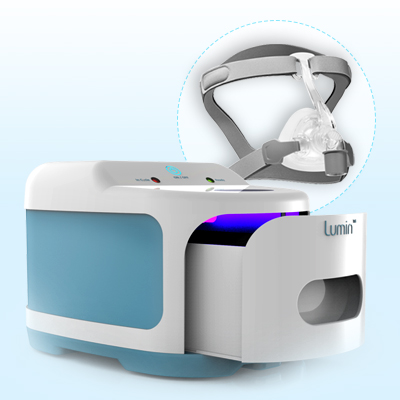
How will you clean? That is the very first and most important question. Whether you’ll choose a traditional way of cleaning or an advanced device, like Lumin Multipurpose Sanitiser. It is a compact, convenient sanitiser for disinfecting CPAP accessories.  It has an integrated tray for easy access. Simply lay your CPAP accessories in the tray for easy sanitation. It’s perfect for:

  • CPAP Masks 
  • Tubing / Hoses
  • Humidifier Chambers

Thanks to its one touch 5-minute process, everything in the tray will be completely sanitised. So, you can consider it for daily cleaning just before going to bed.  

2. What Technology Does It Use?

The different cleaning devices use distinct technologies. Understanding how your cleaning device operates may impact your choices. Many modern units today are using UV sanitiser systems, which utilise ultraviolet light to kill harmful bacteria and viruses, without exposing items to water or chemicals.

UV-based cleaners are popular because they:

  • Avoid strong chemical residues or odours
  • Don’t need extra cleaning solutions
  • Operate quickly
  • Time-saving

CPAP users who want a completely dry, stress-free process should choose UV sanitising because it provides them with an efficient and easy solution. The device needs to have CPAP accessory compatibility while cleaning other personal use items, like wallets, car keys, cards, and more.

3. How Long Does the Cleaning Cycle Take?

Time matters because you need to use CPAP therapy during your nightly sleep schedule. Some sanitising devices need 30 minutes or more to complete each cycle, while other devices require only a few minutes. 

The system that provides you with the most convenience should be the one that matches your personal schedule. The Lumin Multipurpose Sanitiser needs only 5 minutes to finish its cleaning process with its one-touch button. You can clean your mask, hose, and humidifier chamber right before you sleep without any interruptions to your normal activities.

The solution provides value to professionals who work long hours, avid travellers, and others who do not want to spend hours cleaning their equipment before using it. Your accessories will be available to you at the right moment because of the quick cycle process.

4. Is It Approved and Suitable for Australian Users?

Before purchasing, consider whether the device is suitable for your region. Searching for a reliable cpap cleaner australia will often lead you to models specifically distributed and supported locally.

The device needs to be assessed for its regional suitability before making your purchasing decision. The search for a trusted CPAP cleaner Australia will direct you to products that local vendors distribute and support. Australian suppliers provide customers with several benefits, which include the following advantages:

  • Easier customer support access
  • Local warranty coverage
  • Faster shipping
  • Compliance with Australian electrical standards

Even a manufacturer needs to provide product users with complete instructions, safety details, and all available customer support options. Customers who buy products from local stores experience better peace of mind and superior customer service after making their purchase.

5. How Does It Compare to Manual Cleaning?

Traditional methods for cleaning CPAPs generally require accessories to be washed using mild soap and warm water, followed by thorough air drying. But it can take time and be inconsistent at times.

A CPAP cleaning machine automates the entire cleaning process for rapid sanitising with minimal effort. However, it should be noted that the majority of cleaning machines are not meant to fully replace manual cleaning but rather to assist with it. Any visible soil and/or debris must be cleaned off before sanitising with any type of automatic cleaning system.

Consider the following questions as you evaluate each option:

  • Am I trying to reduce daily cleaning time?
  • Am I concerned about hidden bacteria in folds and creases?
  • Will automated cleaning increase my compliance?

Most people who use a dedicated CPAP machine cleaner improve their everyday hygiene habits with ease.  

Bonus Consideration: Size and Storage

Many users often have limited storage and bedside areas to store a CPAP machine. So, a bulky device is not practical for a small bedroom or for those who travel frequently.  

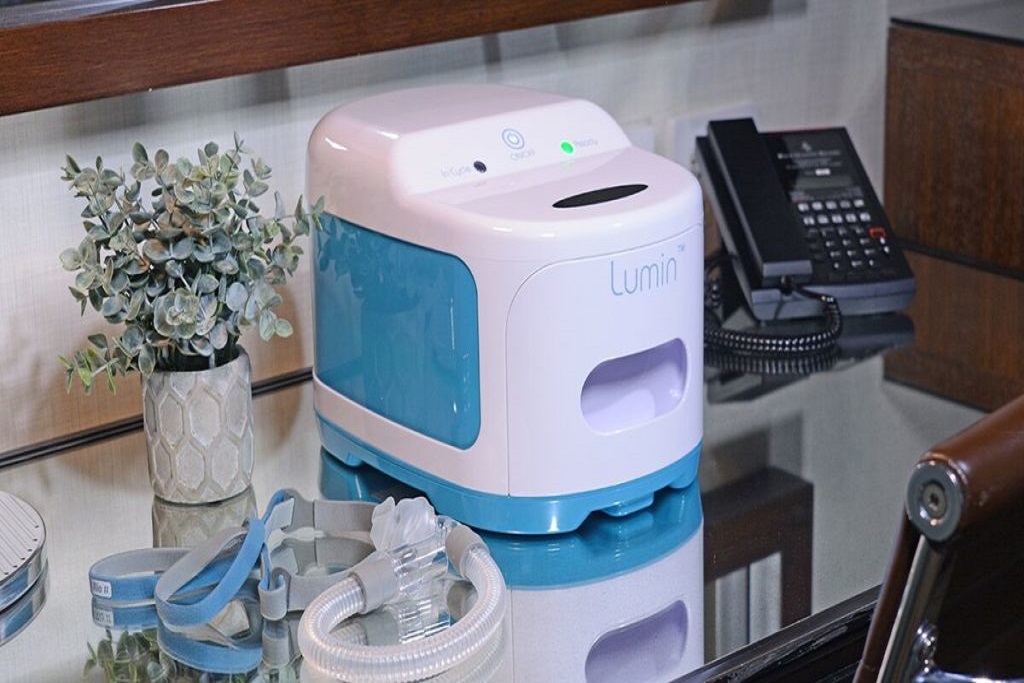
That’s why they choose compact machines for convenience and flexibility. For instance, Lumin MultiPurpose Sanitiser is a great choice as it’s easy to use and fits on a bedside table or shelf due to its compact size.  You only have to put items into the sanitizer’s tray and push a button. Integrating it into your nightly routine won’t create any mess for you.

If you want to use a CPAP machine while travelling or are trying to live a minimalist lifestyle, you should consider size as a factor for your evaluation criteria. 

Final Thoughts

Selecting a suitable sanitising option does not only provide you with convenience; it also protects your health and extends the life of your CPAP accessories. Therefore, you should ask yourself questions, such as “Do I need portability when choosing a sanitizing option?” before buying. Hence, you can make a well-informed decision.  

A right CPAP sanitiser can simplify the maintenance of your CPAP accessories while avoiding harmful bacteria and other pathogens. Regardless of which type of compact sanitising unit (like Lumin Sanitiser or any other option) you choose, it’s better to understand your priorities. This way, you can invest in the right device for long-term hygiene and comfort. 
UVC vs Chemical Cleaners: Which Is Safer for Your Family?

Home hygiene has become more important today than ever before. From kitchen surfaces and everyday items to personal medical devices, families are becoming more conscious of cleaning habits and what products they use for cleaning. Traditionally, most people used chemical disinfectants as their primary source. However, UVC light technology is rapidly gaining popularity as a safer alternative.  

But when trying to protect your loved ones’ health, especially for sensitive devices, like a CPAP machine, which of the two options is better? Let’s find out.

Understanding Chemical Cleaners

Chemical disinfectants use certain active ingredients, like alcohol, bleach, or quaternary ammonium compounds, to eliminate microbial pathogens such as viruses, bacteria, and fungi. Disinfectants are accessible, inexpensive, and familiar products.

However, there are the following issues with the use of chemical disinfectants:

  • Chemical residues can remain on surfaces after cleaning.
  • Frequent exposure can cause skin sensitivity.
  • Disinfectants may irritate the lungs and cause asthma symptoms through strong odours.
  • Misusing disinfectants can cause harmful reactions.

Chemical disinfectants can effectively clean general household surfaces when used correctly. However, most families today prefer to use less harmful alternatives for cleaning items that come into direct contact with the face and respiratory systems (for example: CPAP masks and tubing).

What Is UVC Sanitisation?

Ultraviolet C (UVC) technology uses ultraviolet light at a particular wavelength to kill micro-organisms on a molecular level. Instead of using liquids or sprays to disinfect, UVC kills germs by exposing them to light without leaving behind a residue.

A UV sanitiser disrupts the DNA structure of bacteria, viruses, and fungi, thus preventing bacteria from reproducing. A UVC sanitiser leaves no chemical byproduct, so there are NO:

  • lingering odours,
  • harmful leftover chemicals,
  • added moisture,
  • risk of inhaling cleaning fumes.

Families with young children, elderly people, or those who use CPAP devices will have peace of mind with this type of chemical-free sanitizing method.

Why Cleaning CPAP Equipment Requires Extra Care

CPAP therapy relies on clean equipment because it provides them with safe breathing all night long. The masks and hoses, along with the humidifier chambers, create a situation where moisture accumulates, which becomes an ideal breeding ground for bacteria.

People continue to use soap and water together with chemical wipes for their cleaning. These methods succeed in removing surface dirt, but they fail to achieve complete disinfection of tiny germs. The remaining chemical residues in the air can be breathing during sleep.

That’s why a specialised CPAP cleaning machine is in high demand among homes focused on maintaining a patient’s respiratory health.

UVC vs Chemical Cleaners for CPAP Users

When examining the advantages of UVC technology with chemical solutions for CPAP cleaning, consider these factors:  

  1. Respiratory Safety

Because CPAP users are directly breathing air through a mask, avoiding chemicals is key, as it could cause harm to the respiratory system. A UVC system eliminates this concern.

  1. Residue-Free Protection

Chemical cleaners can leave behind invisible residues, which can build up in the tubing. UVC sanitisation leaves nothing on/in your CPAP; just pure/clean equipment ready for use.

  1. Convenience

Some cleaning methods require rinsing, drying, and waiting. Modern UVC devices clean your CPAP very quickly and with little effort on your part.

  1. Consistency

Manual cleaning of your CPAP can miss areas that have folds and creases in the mask and tubing. But UVC light penetrates and cleans all areas evenly inside the chamber of a UVC sanitiser.

For families looking for a reliable CPAP cleaner Australia, Lumin Multipurpose Sanitiser is a preferred solution due to the aforementioned safety benefits.

Advanced Lumin Multipurpose Sanitiser

When considering UVC equipment, it’s vital to choose devices specifically curated for personal healthcare accessories, like the Lumin multipurpose sanitiser. It is a compact device for sanitising not only your personal belongings, like cards, keys, wallets, etc., but also to sanitise CPAP accessories.

The Lumin Sanitiser comes with an accessible tray to place daily use items or CPAP accessories for disinfection. The following items can be sanitised with it:

  • CPAP Tubing / Hoses
  • Humidifier Chambers
  • Oral appliances
  • Small personal care items

The system achieves complete sanitisation for all tray contents through its single button operation, which requires only five minutes. Users can perform sanitisation activities right before sleep because the process requires no rinsing, no drying, and leaves no chemical residues or odours.

Lumin provides users with a fast sanitisation that leaves no remaining material because it operates through UVC light instead of using liquids or ozone to disinfect essential respiratory equipment used during sleep.

Is UVC Truly Safer for Your Family?

Safety depends on how you use a specific method. Chemical cleanes may be effective on large surfaces if carefully used. But repetitive use of harsh chemicals in enclosed settings can pose significant long-term health hazards.

UVC sanitisation is a great alternative to chemical disinfectants, as it provides the following benefits:

  • Reduces chemical inhalation
  • Eliminates surface residue
  • Reduced skin irritation
  • Reduced the growth of moisture-related mould

For families with children and those with individuals using sleep apnea machines, avoiding chemical exposure is a priority.  

When comparing traditional CPAP machine cleaners that utilise chemical methods or ozone versus UVC light-based cleaners such as Lumin, many families prefer UVC Light Cleaners for their simplicity and chemical-free nature.

Final Verdict: Which Is Safer?

If you want to sanitise personal use items, including CPAP accessories, deeply without any chemical exposure, UVC technology provides you a safe advantage. It is also important for CPAP users to protect their airways from chemical residue and germs. The compact Lumin Multipurpose Sanitiser provides an extremely efficient cleaning solution with a quick, practical, and residue-free solution for daily use.