CPAP Equipment Archives - Lumin Multipurpose Sanitiser

Germ Hotspots at Home: 7 Everyday Items You’re Forgetting to Clean

When most people think about cleaning their home, they picture wiping down kitchen benches, mopping floors, or scrubbing the bathroom. But some of the germiest items in your house aren’t surfaces at all — they’re the small, everyday objects you touch dozens of times a day without ever thinking to sanitise them.

Studies have repeatedly shown that items like phones, keys, and remote controls can carry more bacteria than a toilet seat. And if you or a family member uses a CPAP machine, this becomes even more important — bacteria doesn’t stay isolated to one object. It spreads from hands to phones, from phones to masks, and back again. Below, we’ve broken down seven everyday household items that are commonly overlooked, and simple ways to keep them properly sanitised.

1. Mobile Phones

Your phone goes everywhere with you — the kitchen, the bathroom, the gym, public transport — and it rarely gets cleaned properly. Because it’s constantly in contact with your hands and face, it’s one of the biggest germ carriers in daily life, transferring bacteria every time you make a call or scroll before bed.

Wiping your phone with a cloth removes surface dust, but it doesn’t kill the bacteria embedded in the seams, buttons, and camera edges. This is where UV-C sanitising has a real advantage over wiping alone — hospital-grade UV-C light can reach into these small gaps and neutralise bacteria without any liquid near your device’s ports or speakers.

2. Keys and Wallets

House keys, car keys, and wallets are handled constantly, often right after touching public surfaces like door handles, shopping trolleys, or ATMs. They rarely get cleaned because they’re not visibly dirty, but that’s exactly what makes them a hidden hotspot — bacteria doesn’t need to be visible to be harmful.

3. TV Remotes and Game Controllers

Shared by everyone in the household and touched constantly with unwashed hands, remotes and controllers are notorious for harbouring bacteria in the gaps between buttons. They’re also rarely, if ever, included in a regular cleaning routine, which allows germs to build up over weeks or months.

4. Headphones and Earbuds

Anything that sits in or on your ears traps warmth and moisture — ideal conditions for bacteria to multiply. Shared earbuds or headphones, in particular, can transfer bacteria between users, yet most people never think to sanitise them at all.

5. Children’s Toys, Pacifiers, and Teething Rings

Kids’ items are especially high-risk, since they frequently end up in a child’s mouth, on the floor, and back in their mouth again. Soft toys and pacifiers are difficult to clean thoroughly with a simple wipe, especially in the small crevices where bacteria tends to accumulate. For parents, this is one of the most important hotspots to stay on top of, particularly during cold and flu season.

6. Retainers, Mouthguards, and Hearing Aids

Personal healthcare items like retainers, mandibular splints, and hearing aids sit directly against skin or inside the mouth for extended periods, making hygiene critical. These items often can’t be soaked in water or cleaned with standard disinfectants without risking damage, which means many people simply don’t clean them as often as they should.

7. CPAP Masks, Tubing, and Humidifier Chambers

If you or someone in your household uses a CPAP machine, this is arguably the most important hotspot on this list. Your CPAP mask sits directly over your nose and mouth every night, and the tubing and humidifier chamber provide a warm, moist environment where bacteria, mould, and fungus can thrive if not cleaned properly.

Manufacturers recommend daily, weekly, and monthly cleaning routines for different CPAP equipment components, but manual washing with soap and water has real limitations — it doesn’t sterilise, drying takes hours, and cleaning quality varies depending on how thoroughly it’s done each time. A persistent runny nose, unexplained congestion, or getting sick more often than usual can all be signs that your CPAP equipment needs more attention than it’s getting.

Why Wiping Isn’t Enough

Across all seven of these items, there’s a common theme: surface wiping removes visible dust and grime, but it doesn’t necessarily kill the bacteria, viruses, or mould living on and inside these objects. Many of these items also can’t simply be soaked in water or scrubbed with soap — think phones, hearing aids, retainers, or your CPAP mask’s cushion — which leaves a real gap in most households’ everyday hygiene routine.

This is where UV-C sanitising offers a genuinely different approach. Rather than relying on physical scrubbing or chemical disinfectants, UV-C light at a wavelength of 254 nanometres works by disrupting the DNA of bacteria, viruses, mould, and fungus, neutralising them without water, soap, or gases. It’s the same technology used in hospital operating rooms and sterile clean rooms, made available for everyday household use.

A Single Solution for Every Hotspot in This List

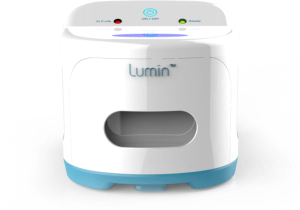
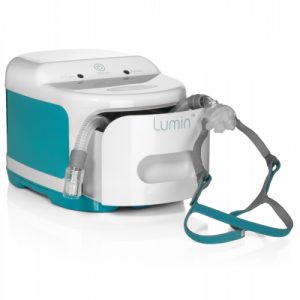
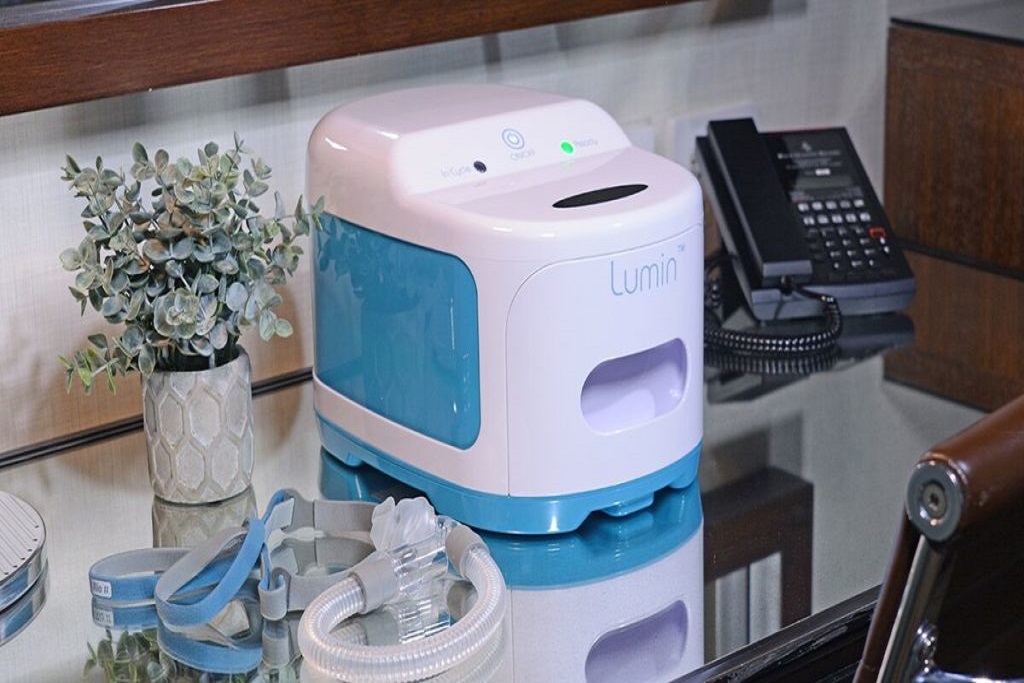
One of the most practical benefits of a device like the Lumin Multipurpose Sanitiser is that it isn’t limited to just one type of item. The same one-touch, 5-minute UV-C cycle that sanitises your CPAP mask, tubing, and humidifier chamber can also be used on:

  • Mobile phones, keys, and wallets
  • TV remotes and game controllers
  • Headphones and earbuds
  • Children’s toys, pacifiers, and teething rings
  • Retainers, mouthguards, and hearing aids

Rather than juggling different wipes, sprays, and cleaning methods for each item, everything simply goes into the sanitising tray, and a single cycle handles the rest — without chemical residue, without long drying times, and without the guesswork of whether you’ve cleaned thoroughly enough.

This is particularly valuable for households already managing CPAP therapy, where consistent hygiene isn’t just about convenience but directly affects respiratory health. Being able to sanitise your CPAP equipment and your family’s everyday items using the same UV-C sanitising machine means better hygiene habits are far easier to maintain long-term.

Building a Better Household Hygiene Habit

None of these seven items need hours of extra cleaning each week — the goal isn’t to add more chores, but to close the gaps that ordinary wiping and washing leave behind. A simple routine might look like:

  1. Identify the items in your home that get touched constantly but rarely cleaned
  2. Set aside a consistent time — many people do this before bed, alongside their CPAP sanitising routine
  3. Use a UV-C sanitiser to handle everything at once, from personal healthcare items to everyday essentials

Final Thoughts

The germiest items in your home often aren’t the ones you’d expect. Phones, keys, remotes, headphones, kids’ toys, personal healthcare aids, and CPAP equipment are all touched or worn daily, yet frequently missed in standard cleaning routines. Because many of these items can’t be washed conventionally, UV-C sanitising offers a practical, chemical-free way to close that gap — one 5-minute cycle at a time.

If your household already relies on a CPAP machine, explore how the Lumin Multipurpose Sanitiser can extend hospital-grade hygiene from your bedside CPAP routine to everyday items across the whole family.
Soap and Water vs UV-C Sanitising: What’s Actually Safe for CPAP Equipment?

If you use a CPAP machine, you already know that cleaning your equipment isn’t optional — it’s essential. Your mask, tubing, and humidifier chamber come into direct contact with your airway every night, which means any bacteria, mould, or residue left behind can end up right back in your lungs. But when it comes to actually cleaning your CPAP equipment, there’s an ongoing debate: is traditional soap and water enough, or is UV-C sanitising the safer, more effective option?

In this article, we’ll break down how each method works, where they fall short, and what combination actually keeps your CPAP equipment safe to use.

Why CPAP Cleaning Can’t Be Skipped

CPAP masks and tubing are warm, moist environments — exactly the conditions bacteria, mould, and fungus thrive in. Manufacturers typically recommend daily, weekly, and monthly cleaning routines for different components, but in reality, many users skip steps simply because cleaning feels time-consuming, especially first thing in the morning or last thing before bed.

Signs that your CPAP equipment needs more thorough cleaning include a persistent runny nose, unexplained congestion, a musty smell coming from your mask or hose, or getting sick more often than usual. These are common indicators that bacteria or mould buildup may be affecting your therapy.

How Soap and Water Cleaning Works

The traditional method for cleaning CPAP accessories involves washing the mask, tubing, and humidifier chamber with mild soap and warm water, then leaving everything to air dry fully before the next use.

This method does have real value — it physically removes oils, skin cells, and visible residue from the surface of your equipment. However, it has some notable limitations:

  • It doesn’t sterilise. Soap and water can reduce surface bacteria, but it doesn’t eliminate the bacteria, mould, and fungus hiding inside tubing or in the crevices of a mask.
  • Drying time is a problem. Components need to be completely dry before reuse, which can take hours — often meaning your equipment isn’t ready when you need it.
  • Residue can remain. If accessories aren’t rinsed thoroughly, soap residue can build up over time, which can contribute to fungal or mould growth rather than preventing it.
  • Inconsistency. Manual cleaning quality depends entirely on how thoroughly it’s done each time, which naturally varies from one cleaning to the next.

How UV-C Sanitising Works

UV-C sanitising uses a specific wavelength of ultraviolet light (254 nanometres) to disrupt the DNA of bacteria, viruses, mould, and fungus, effectively neutralising them without the need for water, soap, or chemicals. This is the same type of germicidal light used in hospital operating rooms and sterile clean rooms.

A device like the Lumin Multipurpose Sanitiser applies this technology to CPAP equipment by placing your mask, tubing, and humidifier chamber into a sanitising tray, where a single 5-minute, one-touch cycle exposes every surface to hospital-strength UV-C light. The result: up to 99.9% of harmful bacteria, pathogens, and fungi are eliminated, without any liquid, scrubbing, or lengthy drying time.

Key advantages of UV-C sanitising include:

  • No chemicals or gases – nothing that could leave residue or irritate sensitive airways
  • Fast turnaround – equipment is ready to use again in minutes, not hours
  • Reaches areas that are hard to scrub – UV-C light can sanitise the interior of tubing and hard-to-reach mask components that washing may miss
  • Consistent results every time – the process doesn’t rely on how thoroughly you happen to scrub on a given day

Soap and Water vs UV-C: Which One Is Actually Safer?

The honest answer is that soap and water and UV-C sanitising aren’t really competing methods — they serve different purposes, and the safest approach to CPAP hygiene typically uses both.

Soap and water is still useful for removing visible oils, skin cells, and debris from the surface of your mask and tubing. This physical cleaning step matters, because UV-C light works by direct exposure — if a surface is covered in built-up residue, the light can’t fully reach and neutralise the bacteria underneath it.

UV-C sanitising, on the other hand, addresses what washing alone can’t: the bacteria, mould spores, and pathogens that remain even after a wash, particularly inside tubing and other components that are difficult to scrub by hand. It’s worth noting that most CPAP cleaning machines, including UV-C devices, are designed to complement manual cleaning rather than fully replace it.

For most users, an effective routine looks like:

  1. Wash your mask and tubing with mild soap and water on the schedule your manufacturer recommends
  2. Allow components to dry, or towel dry gently
  3. Use a UV-C sanitiser like Lumin for a daily 5-minute sanitising cycle to eliminate bacteria and mould that washing alone may leave behind

This combined approach gives you the physical cleanliness of traditional washing, plus the deeper, hospital-grade sanitisation that UV-C light provides, without relying on harsh chemicals.

What About Chemical-Based CPAP Cleaners?

Some CPAP users turn to chemical-based cleaning solutions or wipes as an alternative to washing. While these can be effective at reducing bacteria, they come with their own considerations: residual chemical smell or taste, the need for thorough rinsing, and ongoing costs from replacement solutions or wipes.

UV-C sanitising avoids these issues entirely, since it uses light rather than liquid or gas to do the work. This is part of why UV-C has become a popular option for healthcare and CPAP sanitising — it delivers hospital-strength results without introducing anything new onto equipment that sits directly against your face and airway each night.

Beyond CPAP: A Multipurpose Approach to Hygiene

One advantage of UV-C sanitisers is that they aren’t limited to CPAP equipment. The same hospital-grade UV-C technology can be used to sanitise everyday items that carry just as much bacteria — mobile phones, keys, wallets, hearing aids, retainers, and even children’s pacifiers and soft toys. For households already investing in a UV sanitising solution for the family, this makes a single device useful well beyond the bedside table.

Final Thoughts

When it comes to CPAP hygiene, soap and water and UV-C sanitising aren’t rivals — they’re two halves of an effective cleaning routine. Washing handles the visible, physical debris, while UV-C sanitising eliminates the bacteria, mould, and pathogens that manual cleaning alone often leaves behind, all without chemicals, gases, or long drying times.

If you’re relying on soap and water alone, adding a daily UV-C sanitising step is one of the simplest ways to close the gap and ensure your CPAP equipment is genuinely safe to use every night. Explore the Lumin Multipurpose Sanitiser to see how a 5-minute cycle can fit into your existing CPAP routine.

How to Sanitise Hearing Aids Properly Without Damaging Them

Hearing Aids are tiny precision devices that need ongoing care to function effectively. Similar to how people rely on a CPAP sanitiser to improve their respiratory health, hearing aids also require better sanitisation to ensure longevity and hygiene. Wiping the surface of your hearing aid each day will remove exterior dirt and dust. However, you need to remove dirt, germs, and moisture from within the device.

But improper cleaning of your hearing aids can lead to damage to sensitive components and poorer performance. Knowing how to clean your hearing aids properly will provide you with good hygiene. It also enables you to maximise the life of your hearing aids.

Why Proper Sanitisation Matters

Hearing aids remain in and around the ear for long periods. This increases the potential for exposure to earwax, environmental pollutants, and sweat. Not cleansing them on a regular basis can cause bacteria to grow, bad odours, and could cause ear infections. Routine cleaning and sanitising are different, as cleaning refers to removing visible dirt and grime from surfaces. On the other hand, sanitisation is focused on removing microorganisms without harming any of the electronics in a hearing aid.

Many users think that using either harsh chemicals or too much moisture will clean hearing aids properly. But the use of these products will cause internal circuits to corrode. A balanced combination of cleaning and sanitisation is the ideal approach.

Step-by-Step Guide to Safe Sanitisation

  1. Start with Gentle Cleaning

Before sanitising, first clean off all visible dirt with a dry soft cloth or specialised brush. For in-ear hearing aids, carefully clean the vents and receiver with a soft cloth. Do not directly apply water to the hearing aid.

  1. Use Approved Cleaning Solutions

If you need to sanitise, use a cleaner that is approved for hearing aids. You should never use alcohol-based cleaners or abrasive cleaners because these could damage the protective coatings on the hearing aids.

  1. Dry the Hearing Aid Well

Moisture is one of the biggest enemies of hearing aids. Once you have cleaned your hearing aid, make sure it is completely dry before you start sanitising it.

  1. Choose a Safe Sanitisation Method

A modern way of sanitising your hearing aids is by using a UV sanitiser. This type of device uses light instead of chemicals to sanitise your hearing aids. It can be very effective at providing a sterile surface to your hearing aids while also causing minimal damage to them.

The Role of UV Technology in Hearing Aid Care

UV technology has been gaining attention in the healthcare sector for keeping equipment free from contamination. Due to UV light’s non-contact cleaning method (unlike liquid cleaners), it does not add moisture or leave behind any extra residues. Therefore, it is a perfect cleaning method for electronic devices like hearing aids.

While UV light has been used to clean sleep therapy equipment, such as CPAP cleaning machine accessories, the same disinfecting process has been extended to other types of personal healthcare items as well. The basic principle behind these various types of products is that they utilise controlled application of UV light to kill microorganisms, without compromising the device’s actual functionality.

Introducing Lumin Multipurpose Sanitiser

For anyone who’s looking for a cost-effective and effective solution, the Lumin Multipurpose Sanitiser is a great choice. It offers a simple yet practical way to constantly clean and sanitise your personal healthcare products, like hearing aids.

Sanitise Medical & Healthcare Aids

With the Lumin Multipurpose Sanitiser, cleaning and sanitising your personal health care equipment regularly is straightforward and efficient.

Cleaning and sanitising both your personal and home medical/health care equipment should be an integral part of your daily routine, yet we often forget to do so. That’s why the Lumin Sanitiser is such a great addition to your home.

  • It can be conveniently located anywhere within your home for easy access.
  • Each cycle is just 5 minutes long.
  • Displays output at 254 nm and uses exact wavelength intensities to achieve maximum sanitising.
  • Disinfects 99.9% of viruses, germs, and bacteria through independent testing.

You can sanitise medical and healthcare devices like retainers, mandibular splints, FFP3 Masks, hearing aids, etc., with the Lumin Multipurpose Sanitiser. 

The sanitiser’s fast cycle and non-chemical sanitisation process also make it suitable for delicate products, guaranteeing proper sanitisation without any risk. 

Maintenance Tips for Long-Term Care 

For optimal performance and hearing aid maintenance through both sanitisation and proper transportation (with case) of your hearing aids (drying box overnight recommended), it is also important to have a hearing aid professionally serviced regularly. 

There has been an increase in awareness regarding hygiene in medical devices. In fact, many consumers are looking at ways to have their medical equipment cleaned daily or utilising products, such as a CPAP machine cleaner, which aid in this process. In addition, increased awareness is prevalent in the CPAP cleaner Australia marketplace as well. Many consumers are preferring it for more effective and safer cleaning methods. 

Final Thoughts 

Properly cleaning your hearing aids is not difficult or complex. Using a combination of gentle cleaning and non-invasive advanced sanitisation techniques can provide maximum hygiene and longevity. Products such as the Lumin Multipurpose Sanitiser will help you achieve these goals with speed, efficiency, and safety every day. 

Taking just a few minutes each day to establish an appropriate care routine can protect your hearing aid. Plus, it helps you create a healthier, more comfortable hearing experience.


What Happens Inside an Unclean CPAP Machine

Although the purpose of a CPAP machine is to help you breathe while you sleep, improper cleaning can turn it into a silent haven for pollutants. Over time, moisture, dust, oils, and microbes can build up in what appears to be a straightforward medical device, directly affecting your health. You can take the appropriate actions for safer therapy by being aware of what occurs inside an unclean CPAP system.

A Warm, Moist Environment for Microbial Growth

CPAP machines provide humidified airflow to keep the airways comfortable. It’s pretty helpful for breathing, but that warm, damp environment is also favourable for bacterial, mould, and fungi growth. Any residual water sitting in the humidifier chamber, plus the heat from the unit, can speed up microbial growth. It often happens when water isn’t swapped out every day, or when the chamber is not dried properly.

Eventually, those microorganisms start forming biofilms, which are those thin layers that cling to the inner surfaces. After they’re established, it gets hard to eliminate them without steady, effective cleaning routines.

Accumulation of Dust, Skin Cells, and Oils

Every night, your CPAP mask touches your skin. Natural facial oils, sweat, and dead skin cells go over onto the mask and the tubing. At the same time, airborne dust and other particles get pulled into the whole system.

If you don’t keep up with regular upkeep, that buildup turns into a tacky residue. This not only can host bacteria, but also might wear down the material on your mask and tubing. It even causes unpleasant smells, or brings on skin irritation that further messes up with both comfort and overall cleanliness.

Hidden Contaminants in Tubing and Masks

The internal surfaces of CPAP tubing are quite vulnerable. They are dark, enclosed, and sometimes a little damp. This creates a perfect environment for mould growth. Plus, because those zones aren’t always easy to see, contamination can sit there unnoticed for long periods.

That’s basically where a CPAP Sanitiser comes in handy. Compared with washing by hand, which may skip those hard-to-reach crevices, the sanitisation method targets microorganisms more evenly across the whole surface area. This reduces the microbial load significantly.

Increased Risk of Respiratory Issues

Inhaling through an unclean CPAP machine means breathing in whatever has accumulated inside. For example, bacteria, mould spores, and allergens can enter your respiratory system. For individuals with a sensitive respiratory system, this can result in:

  • Frequent coughing and/or irritation in the throat
  • Sinusitus
  • Allergic reactions
  • An exacerbation of asthma

In extreme circumstances, prolonged exposure to contaminated air could increase the chances of developing a respiratory infection. A CPAP machine should provide therapy; however, failure to maintain proper hygiene could result in compromising your health.

Impact on Device Performance

Beyond health concerns, residue and dirt inside the machine can mess with its overall efficiency. Blocked filters, clogged tubing, or residue buildup may reduce the airflow quality and pressure consistency. That can mean your therapy is less effective, and it might even shorten the lifespan of the device.

A reliable CPAP cleaning machine can help keep both hygiene and performance in good order with proper and consistent cleaning, without depending only on manual effort.

The Role of UVC Sanitisation

Modern cleaning solutions have started using UVC technology for efficiently sanitising CPAP components. A UV sanitiser basically works by firing off high-energy ultraviolet light which interferes with the DNA of microorganisms, preventing reproduction.

Devices, like the Lumin multipurpose sanitiser, use UVC light to sanitise CPAP masks, hoses, and those small accessories in just 5 minutes. It operates at a wavelength range near 265nm, that’s considered the most effective for killing microorganisms. Hence, it can eliminate up to 99.9% of bacteria and mould from exposed surfaces.

Importantly, Lumin is ozone-free, and it doesn’t depend on water or harsh chemicals. This makes it a safer and more eco-friendly choice. Still, it’s important to remember that it’s meant for cleaning accessories like masks and tubing, not the internal parts of the CPAP machine itself.

Why Regular Cleaning Matters

Keeping things clean all the time is not only about hygiene, but it’s also about making sure your therapy works accurately. Traditional washing is still a big part of it, but when you pair that with modern sanitisation tools, the whole process becomes thorough and complete.

If you are looking into options like a CPAP cleaner Australia, learning how the different technologies perform can make it easier to choose well. The point isn’t only convenience, it’s safety too, and the long-term health upsides that come with it.

Conclusion:

An unclean CPAP machine doesn’t merely gather dust; it turns into an actual little ecosystem for troublesome microorganisms. These cause health risks that are preventable.

Adding a trustworthy CPAP machine cleaner to your routine, along with traditional hand-cleaning technique can greatly lower the chance of exposure. If you keep the device in good condition, it stays what it’s supposed to be: a dependable companion for deeper sleep and overall better health.

How to Get the Most Out of Your CPAP Treatment with Regular Equipment Maintenance

Continuous Positive Airway Pressure (CPAP) therapy is a life-changing treatment for patients suffering from sleep apnea. This sleep therapy machine offers numerous benefits, including improvement of sleep quality. It further means one gets to wake up feeling energised and stay active all day long. However, patients need to maintain constant CPAP therapy for effective results. 

But if a device is not cleaned properly after use, it may lead to bacteria build-up and odour that could possibly cause certain respiratory issues, like irritation in the airways, throat infection, etc. However, these issues are easy to avoid with proper maintenance and cleaning of a CPAP device.

Significance of Proper CPAP Maintenance

Since a CPAP machine works every night, constantly delivering air into your lungs, it tends to collect condensation and moisture with time. The tubing, mask, and humidifier chamber are all in direct contact with one’s exhalations. With moisture build up, there are more chances of growing mould, bacteria, and other unwanted microorganisms.

Over time, these pollutants adversely impact your machine, as well as your well-being. Even minimal residue or build-up within the tubing will hinder airflow or change pressure delivery. Keeping your equipment clean guarantees that the CPAP treatment you depend on works at its best, night after night.

CPAP Hygiene: Cleaning Your Accessories Every Day

One of the most significant aspects of keeping CPAP compliance is taking good care of your equipment. Cleaning your CPAP machine and accessories might appear to be an easy job, but it takes regularity. There is a combination of day-to-day, weekly, and monthly cleaning procedures suggested by manufacturers for the different parts of the CPAP system.

Ideally, cleaning would be in the morning following therapy, not at bedtime. This allows all components to air dry completely before reuse. Here’s a nutshell guide to hygiene in the traditional sense:

  • Every day: Clean your mask cushion with a wipe and soap water the humidifier chamber.
  • Every week: Clean the tubing, humidifier chamber, and mask with mild soap in a bit more detail.
  • Monthly: Check filters and replace or clean them accordingly.

Although this routine keeps your CPAP in good condition, most users find it so time-consuming and tedious. The good news is, there’s now a simpler, more efficient way to look after your CPAP hygiene, using UVC Sanitisation.

Streamlining CPAP Cleaning with UVC Sanitisation

Classic cleaning techniques involve soap and water, but these may not penetrate deep creases or folds in your mask or tubing.  That’s when you need advanced UVC sanitisation that helps in killing around 99% pathogens by destroying their DNA.

Unlike harsh chemical-loaded products, UVC light sanitiser is a safe, effective, and residue-free solution for the sanitisation of CPAP accessories. It helps in disinfecting various CPAP accessories without any soap or water, so no long drying hours are required. Plus, the lack of any corrosive elements ensures your accessories remain in their best condition for longer. This device also produces and doesn’t use ozone or chemicals; it just utilizes light to execute strong sterilisation within minutes.

Lumin CPAP Sanitiser

If you’ve ever dreaded the thought of cleaning your CPAP tubing and mask following a long night, you’ll adore how easy the Lumin CPAP Sanitiser does it. Rather than scrubbing, rinsing, and waiting for things to dry, now you can sanitise everything at the press of a button.

With its 5-minute sanitising one-touch process, Lumin makes CPAP care fast, easy, and hassle-free. Just place your CPAP accessories, like…

  •         Masks (even creases and folds are sanitised)
  •         Tubing / Hoses
  •         Humidifier Chambers

.. into the tray. After that, close the lid, turn on the device, and let it sanitise your item completely. It’s so easy to use that you can sanitise your gear even before bedtime.


Lumin CPAP Sanitiser benefitsHow can the side effects of CPAP machines be managed


Other Benefits Beyond CPAP

While the Lumin Sanitiser is great for sanitising CPAP accessories, its application does not end there. The same UVC technology can also be used for those items we use on a daily basis that come into contact with our face or hands. Consider items such as smartphones, keys, or even your toothbrush head.

In doing so, gadgets such as the Lumin can also serve as a UV phone sanitiser of sorts, providing you with that extra defense against nasty microbes that reside on high-touch surfaces.

Why Use a CPAP Cleaning Machine

With a CPAP cleaning machine such as the Lumin, you get the best of both worlds, intense sanitising and unparalleled convenience. It removes human error out of manual cleaning and sees that all areas of your equipment are effectively disinfected each time.

By incorporating UVC Sanitisation into your morning and night routines, you save time and keep your equipment safe and in good working order. The Lumin CPAP Sanitiser is more than just a cleaning device; it is an entire hygiene system that enables you to enjoy the full benefit of your CPAP therapy without the hassle of cleaning upkeep.

Conclusion

You should engage in CPAP therapy with all the confidence in the world, knowing that all components of your gear are clean and well-loved. Consistency is critical to CPAP therapy; but convenience leads to consistency. 

With CPAP sanitising, like the advanced Lumin CPAP Sanitiser, sanitising becomes simple, straightforward, and easy. What used to be a daily effort is now part of a five-minute process that enables full sanitisation and functions to meet your needs. So, if you’re ready to optimize the value of your CPAP therapy, and sleep better at night, just get on-board with smarter maintenance powered by UVC light.

Breathe better. Sleep deeper. Stay cleaner, with Lumin.

UV C vs Ozone vs Chemical Cleaners: What’s the Safest Way to Sanitise Your Stuff?

After COVID-19 pandemic, people have become more aware of keeping their environment clean and germ-free. From disinfecting doorknobs and smartphones to cleaning CPAP machines, credit cards and kids’ toys, sanitisation is part of our routine now.

But while cleanliness is crucial, all cleaning techniques don’t work the same way. Some methods include harmful gases and harsh chemicals that can pose risk to our environment and health. So, how to sanitise the things in the safest way possible?

In this blog, we’ll break down the three common sanitising techniques – UV C light, chemical cleaners, and ozone gas. After reading, you can decide which one is suitable for your requirements. You’ll also learn about their benefits, associated risks, and practical use in the real world.

What Is UV C Light Sanitisation?

UV C light sanitisation involves a short-wave UV light of around 254 nm to eradicate germs by destroying their RNA or DNA. Generally, hospitals and water treatment plants utilise this technique due to its high level of effectiveness. Thanks to devices like the Lumin Sanitiser, which uses the same technology, people can easily keep their home or office use items germ-free.

What makes UV C stand out?

  • Ease: No need for any rubbing, liquids, or drying.
  • Speed: It works within just 5 minutes.
  • No Residue: It leaves no residue behind – no gases or chemicals.

UV C sanitisation is a no-fuss, no-chemical technique offering a safe way to clean CPAP masks, baby bottles, toys, phones, or even toothbrushes in just a few minutes.

What Is Ozone Cleaning?

Ozone (O₃) is a strong gas often used in killing viruses and bacteria. Some people use it for at-home sanitisation of their devices, like CPAP machines, for disinfecting masks and hoses. 

Although it is an effective method, ozone does have some major issues:

  • Health risks: It poses health risks if you inhale it consistently. It can irritate your eyes, throat, and lungs.
  • FDA Warnings: There is a strict warning issued by the U.S. Food and Drug Administration (FDA) against the use of ozone-based devices to clean CPAP devices. It is due to its risks for both the users and the device performance.
  • Ventilation needed: Once you use ozone, you need to keep the item in open air for ventilation for hours.

While ozone is effective in killing germs, it is not suitable for everyday use, particularly around sensitive users or in closed spaces.

What Are Chemical Cleaners?

You can easily find chemical cleaners in the form of wipes, sprays, and disinfectants everywhere. They may contain bleach, alcohol, or quaternary ammonium compounds. While these chemicals are good for cleaning high-touch areas, like sinks, doorknobs, and countertops, they are not ideal for health-related devices, like CPAP machines.

It is because they:

  • Leave residue: They leave chemical traces behind and may irritate your skin or lungs if inhaled.
  • Not always eco-friendly: Plastic spray bottles and disposable wipes are not environmentally friendly.
  • Not suitable for all items: These are not suitable for cleaning devices, like medical gear, electronics, and kids’ toys. It is because the residue may damage or contaminate surfaces after regular use.


Quick Comparison: Which One is Best?


Feature UV C Light Ozone Cleaner Chemical Cleaners
Kills germs fast ✅ Yes ✅ Yes ✅ Yes
Safe for people to use ✅ Very safe ❌ Can be harmful ⚠️ Sometimes harsh
Good for electronics ✅ Yes ⚠️ Maybe ❌ Often not
Time needed ✅ 5 minutes ❌ 30+ minutes ✅ Fast (but messy)
Leaves chemical residue ✅ No ❌ Yes ❌ Yes
Needs extra steps ✅ No ⚠️ Yes (air out) ⚠️ Yes (wipe down)


What Works Best for Different Items?

Let’s find out what works best for distinct items:

Use UV C for:

Keys, phones, hearing aids, glasses, CPAP masks, pacifiers, retainers, toys, and other small items at home or the office.

Note: According to studies, UV C light at 254nm is one of the best ways to eradicate germs with no-chemical disinfection

Use Ozone with Caution:

It’s recommended to use it in well-ventilated areas, but don’t use it regularly. Never use it around pets, kids, or people with breathing problems.

Use Chemical Cleaners for:

Larger surfaces, like bathroom tiles, toilets, and kitchen counters. But avoid using them to disinfect items that touch your skin directly, like your phone, hearing aids, glasses, etc.

Health & Environmental Safety

When looking for the right ways to sanitise your things, it’s vital to consider safety, as well as its impact on your health and the environment. After all, your cleaning method affects more than your items.

UV C Light – It is an eco-friendly technique and requires no sprays. Plus, it doesn’t harm air or water in any way. 

Ozone – It pollutes indoor air and is quite harmful for the lungs if inhaled and used improperly.

Chemical cleaners – They may cause water pollution or air pollution (if you use a spray) and generate packaging waste, too. 

For environmentally-conscious people, UV C is indeed the best way to sanitise at home or office. It’s safe, clean, and sustainable!

Final Thoughts: Why UV C Is the Best Choice for Everyday Cleaning

While all three methods – UV C, chemical cleaners, and ozone gas – are good at fighting germs, UV C is a clean winner and highly user-friendly. Whether you want to clean your CPAP mask, phone, electronics, or baby items, UV C provides hospital-grade disinfection without any health risks. Using devices, like the Lumin Multipurpose Sanitiser, it’s easier to set a safe and regular cleaning routine at home/office.

FAQs:

Q1: Is UV C safe to use at home?

A: Yes! It is a safe technology to use for disinfection. But don’t expose your eyes or skin directly to UV light.

Q: Is ozone harmful?

A: Yes. Ozone inhalation can damage your airways and lungs. It’s best not to use it daily or indoors. Prefer well-ventilated areas for using ozone for disinfecting items.

Q: Can UV-C damage plastics or electronics?

A: No. It is quite safe to use UV C light on most everyday materials, like rubber, plastics, or electronics. 

Q: What’s the best way to clean CPAP gear?

A: UV C is the best way to clean your CPAP gear – masks & hoses – to disinfect the items within just 5 minutes. 


What Is the Best Cleaner for My CPAP Equipment?

If you suffer from sleep apnea, continuous positive airway pressure (CPAP) equipment is essential to improve this condition. CPAP devices help patients to breathe easily while sleeping. But with time, it may become a breeding ground for harmful mold, bacteria, and other pathogens. So, you need to regularly clean it to maintain your respiratory health and the device’s functionality. With thorough cleaning of a CPAP device, you can maintain the efficiency of your therapy while preventing yourself from potential health risks. 

 However, cleaning CPAP regularly can be time-consuming and inconvenient if done manually. Cleaning with soap and water may feel like a chore, particularly when you need to do it every day. Here is a reliable CPAP machine cleaner – Lumin CPAP Sanitiser. It is one of the most effective and convenient cleaning solutions available in the market today. This UV-based cleaner provides a quick and effortless way to clean CPAP equipment. 

 In this article, we will explore the reasons why Lumin CPAP Sanitiser is ideal for maintaining CPAP devices and also how its features make it convenient for regular CPAP equipment cleaning equipment.

Significance of Regular CPAP Equipment Cleaning 

Before we dive into the advantages of Lumin CPAP Sanitiser, it is vital to know the significance of regular cleaning. With regular usage, your device can attract viruses, bacteria, and fungi due to the moist and warm environment within your CPAP mask and tubing. Due to these microbes, you can suffer from several infections, respiratory issues, and sinus problems. 

 When you inhale steam via contaminated CPAP equipment, you expose your lungs and airways to harmful particles. This can compromise your sleep therapy’s effectiveness. Plus, a dirty CPAP even emits unpleasant odors, leading to uncomfortable therapy experiences. When you clean your CPAP equipment daily, you make sure that it stays in the best possible condition while working effectively.  

Introducing the Lumin CPAP Sanitiser

Many CPAP users consider manual CPAP equipment cleaning a very tedious task. The Lumin CPAP sanitiser is an effective device that offers quick and hassle-free cleaning via UVC light. It is a perfect CPAP device for people who need to streamline their cleaning process without sacrificing hygiene. 

Here are some reasons why this device is the best CPAP equipment cleaner in Australia so far: 

1. One-Touch Operation

One of the best features of Lumin CPAP Sanitiser is its ease of operation. It comes with a one-touch operation that makes it ideal for anyone to use, despite its tech-saviness. You simply need to open its drawer, keep CPAP components in the tray, close it, and press the button. Due to its user-friendly design and usage, you can quickly clean your CPAP components without any hassle. 

2. 5-Minute UVC Light for Cleaning

Lumin CPAP Sanitiser is simple to use for an effective cleaning routine with its sterilizing power of UVC light. This powerful light operates at 254 nm wavelength and is known for destroying pathogens, like viruses, bacteria, and fungi without breaking down DNA. It makes UVC light a powerful tool for disinfecting surfaces of medical equipment. 

Within 5 minutes, this device can eliminate 99.9% of harmful microorganisms from CPAP tubing, mask, and water chamber. It means that it can completely sanitize the device with minimal effort and it would be ready to use in no time. Since it makes use of UVC light, you don’t have to deal with the mess of soap, water, and any cleaning chemicals. 

 3. Portable and Compact Design

The Lumin CPAP Sanitiser boasts a compact and portable design. It makes it easy to add into your daily routine without taking up too much space in your bathroom or bedroom. You can easily move it to any location whether you are cleaning it at home or taking it with you somewhere you’re travelling. Due to its compact design, it is handy for frequent travellers who need a reliable way to clean this machine without heavy cleaning supplies. 

 4. Cleans Other Things Too

Besides being a CPAP machine cleaner, Lumin is a versatile device that can help you in cleaning other personal items as well. You can use it for cleaning your toothbrushes, glasses, mobile phones, and hearing aids. Due to this multi-purpose use, Lumin is a valuable addition to any household. Hence, it offers board cleaning advantages to you beyond CPAP equipment. 

Why the Lumin CPAP Sanitiser Is the Best Choice

For people seeking the best CPAP equipment cleaner in Australia, Lumin CPAP Sanitiser is an excellent option. It is chemical-free, easy to use, and can kill up to 99.9% of germs. This makes it a trusted choice among CPAP users. Furthermore, it boasts a compact and portable design that ensures it easily fits into your cleaning routine – whether you are at home or travel frequently. 

 With this device, it is easier to follow a daily or weekly CPAP machine cleaning routine. So, one can be at peace knowing that their CPAP equipment is free from harmful pathogens. This ensures you get better sleep and improved overall health. 

Conclusion

Cleaning your CPAP equipment is non-negotiable, as it’s related to your health and effectiveness of regular sleep apnea therapy. Within Lumin CPAP Sanitiser, it is easier to clean your device within 5 minutes via UVC light cleaning. So, consider investing in Lumin and experience the convenience of cleaning like never before.

How to Ensure CPAP Therapy Works for You?

Are you new to CPAP therapy? It won’t be easy to get yourself used to this therapy. At first, you may hate it and even try to avoid wearing your mask while sleeping, considering you have to sleep uncomfortably. But with time, you will get accustomed to it. In this blog, we are sharing with you some easy tips to help you make it easier to get used to sleep apnea therapy. Hence, you can get started and enjoy a quality sleep while getting plenty of night’s sleep.

Don’t forget to wear your CPAP mask while sleeping

It may be easy to neglect this part but it’s quite crucial. Make sure to use your mask every night while sleeping and even for naps, even if it’s uncomfortable at first. Slowly, you will get accustomed to it and won’t even feel it while sleeping.

It is recommended to avoid taking naps as a CPAP beginner, as it can reduce your night’s sleep. When you have not taken any afternoon naps, you are likely to feel tired at night and sleep faster. This makes it easier to fall asleep while getting used to your new CPAP equipment. This way, your sleep quality will also increase over time.

Make sure CPAP mask is well-fitted

Before you try wearing your CPAP mask for sleep apnea, you need to research about the best fit for you. It is best to get yourself a well-fitted mask for a comfortable sleep. If you are not sure, consult your doctor and discuss your sleeping habits. A doctor may ask you whether you sleep on your back or side, do you breathe through your mouth, or some other related questions. These questions will help your doctor to determine your sleep requirements. As a result, he/she can recommend you the right mask as per your needs.

Practice it before actual use

Just like any other new habit takes time to develop, CPAP mask wearing is also the same. It may feel a little weird in the beginning. But if you won’t even wear it, you will surely have problems while sleeping. So, it is best to practice before even using it. You can begin wearing it even before your bedtime to get used to it. For instance, wear it even if you are sitting on a couch while relaxing in the evening. Or just wear it one hour prior to your bedtime, so you won’t feel weird getting it one while sleeping every night.  The more you wear it, the sooner you will become comfortable with it.

Adjust your CPAP mask every night

Consider making small adjustments to your mask every night. If it falls off often while sleeping, tighten it. If you wake up with red marks on your face, you need to loosen it a bit. Even if your doctor fits it for you, you still have to make some changes to make it comfortable for you.

Make these adjustments when you are lying down with the mask on. Certain masks are likely to inflate with air on for sealing. So, when you make adjustments while wearing it, it can help you to assure you get the right fit.

Consider cleaning your CPAP components

You need to regularly clean CPAP components, like CPAP mask, hose, and humidifier chamber, to ensure the CPAP therapy remains effective throughout. With regular use, these components are likely to build up pathogens, bacteria, and fungi. Therefore, proper cleaning is essential after every use to get rid of pathogens and bacteria that may lead to infection.

It is best to invest in an advanced CPAP machine cleaner, like Lumin Multipurpose UVC sanitiser that emits UVC light for sanitization. All you need to do is place CPAP components in its tray, close it, and let its UVC light do its job. The device uses wavelength intensity at 254 nanometres for instant and highest sterilising effect. Hence, it effectively kills 99.9% of harmful bacteria, fungi, and pathogens that can cause illness and infection.

Use a CPAP humidifier to prevent throat and nose dryness

It is important to keep your throat and nose moist for effective CPAP therapy. But during the therapy, the air pressure from the CPAP device can make your throat and nose drier, if your room already has less moisture content.

So, humidity is vital for effective CPAP. It is best to invest in a CPAP device with integrated humidifier and heated tubing. Such devices enable the users to customize the humidity level as per their body requirement for a more comfortable sleep experience.

Conclusion

The key to effective CPAP therapy is to ensure you follow the mentioned tips carefully. One of the vital tips to keep in mind is regular cleaning of CPAP components. For proper and quick cleaning, consider using Lumin multipurpose UVC sanitiser. This may ensure your device remains free from germs and bacteria and you get to enjoy a peaceful sleep every night.

If you are still facing any issues despite following the given tips, you need to consult your doctor about the possible causes of this and the right treatment options.

Can a Dirty CPAP Make You Sick?

Sleep apnea patients often require Continuous Positive Airway Pressure (CPAP) therapy for proper breathing while snoozing. CPAP devices are vital for them to provide a consistent supply of air via a mask while opening airways when sleeping. However, the users also need to keep their CPAP machine clean to ensure its proper functioning. It is critical to understand the various health risks associated with dirty CPAP equipment.

In this blog, we’ll also share with you the right CPAP machine cleaner to maintain regular cleaning of your CPAP device. Hence, you can not only keep your device neat and clean but also in good condition for better performance in the long run.

Risks Associated with Dirty CPAP Equipment

Given below are some notable risks related to dirty CPAP equipment –

Allergic Reactions

If not properly cleaned, CPAP devices can catch dust mites, debris, pet dander, and other allergic contaminants. When these particles are inhaled, they lead to allergic reactions or even asthma attacks in those who have certain allergies or asthma. Coughing, sneezing, breathlessness, and nasal congestion are some of the common allergic reactions that can impact sleep quality, as well as the overall health of the patients.

Infections of the respiratory system

Unclean CPAP devices can even lead to several infections of the respiratory system. Since CPAP masks, humidifiers, and tubing are near the users, they can impact the health of the users if kept unclean for a long duration. It is because these parts can form a favourable environment for the growth of bacteria, mould, and viruses. All these can further lead to infections that aggravate already existing respiratory conditions, like bronchitis, sinusitis, pneumonia, etc. when inhaled.

Skin Irritation

CPAP device’s headpiece and mask often come in direct contact with one’s skin. Bacteria, sweat, and oil build-up on these components can lead to skin irritations, like itching, rashes, and other infections. Therefore, maintaining a clean device is important for a comfortable experience while averting unwanted dermatological issues.

Reduced Equipment Lifespan

Keeping your CPAP device dirty also reduces its lifespan. Regular wear and tear and debris accumulation can cause malfunctions or result in the need for early replacement of certain parts. That’s why it is important to keep CPAP devices clean to preserve the value of equipment while protecting your health.

How to Clean a CPAP Machine

Wondering how to clean a CPAP machine to avoid the aforementioned respiratory health issues? Here are some easy ways to keep your CPAP machine clean and in good working condition:

Hand Cleaning

For this, you need to disassemble CPAP machine parts and give them a nice wash using soapy, warm water. Here’s how you can do it –

  • Take the components, such as tubing, humidifier, and mask, apart from the CPAP device.
  • Take soapy warm water to clean these parts thoroughly. Stay away from harsh chemicals when it comes to cleaning your CPAP equipment.
  • Rinse well to ensure all soapy residue is removed.
  • Let all the components air dry before reassembling to prevent moisture accumulation. This helps in preventing mould formation.

Using CPAP Cleaners

While manual cleaning is a good option, it is quite time-consuming. Plus, it still cannot clean all the nooks and crannies of the components. That’s why you need an automated CPAP cleaner, like Lumin CPAP. It is a multipurpose sanitiser and CPAP cleaning machine. This makes it one of the most dependable and sophisticated CPAP cleaning devices on the market today.

Why choose Lumin multipurpose sanitiser?

Here are some notable reasons to pick Lumin multipurpose sanitiser as your trusted option for CPAP cleaning:

5-Minute Quick Sanitisation:

This device offers just five minutes of quick sanitization that thoroughly disinfects your CPAP components.

Easy One-Touch Function:

This device is very easy to use, thanks to its one-touch button option.

UVC Light Technology:

UVC radiation, which is used by the Lumin, is known to destroy 99.9% of germs and viruses. UVC light operates by releasing intense light in a narrow spectrum, centered at 254 nm, which is nearly identical to the wavelength that kills microorganisms (265 nm).

No Dangerous Gases or Chemicals:

The Lumin uses just light, as opposed to some cleaning techniques that use ozone or other chemicals, thus no dangerous gasses or residues are left behind.

 Multifunctional Sanitisation:

The Lumin is a flexible addition to your home since it can be used to sanitize not only CPAP equipment but also toothbrushes, hearing aids, and cell phones.

Conclusion

Unclean CPAP equipment is linked to serious risks to respiratory health, such as infections, allergic reactions, and skin irritation. Appropriate cleaning and maintenance are essential to prolong the equipment’s lifespan and minimize these risks. Even if manual cleaning is still effective, a CPAP cleaner, like the Lumin CPAP Cleaning Machine & Multipurpose Sanitizer, offers a more complete, safe, and practical option. Because of its quick sanitization process, easy to use interface, and use of UVC light, the Lumin is a very helpful device for people who rely on CPAP therapy for better sleep and general health.


Using the CPAP Cleaners Soclean or Lumin

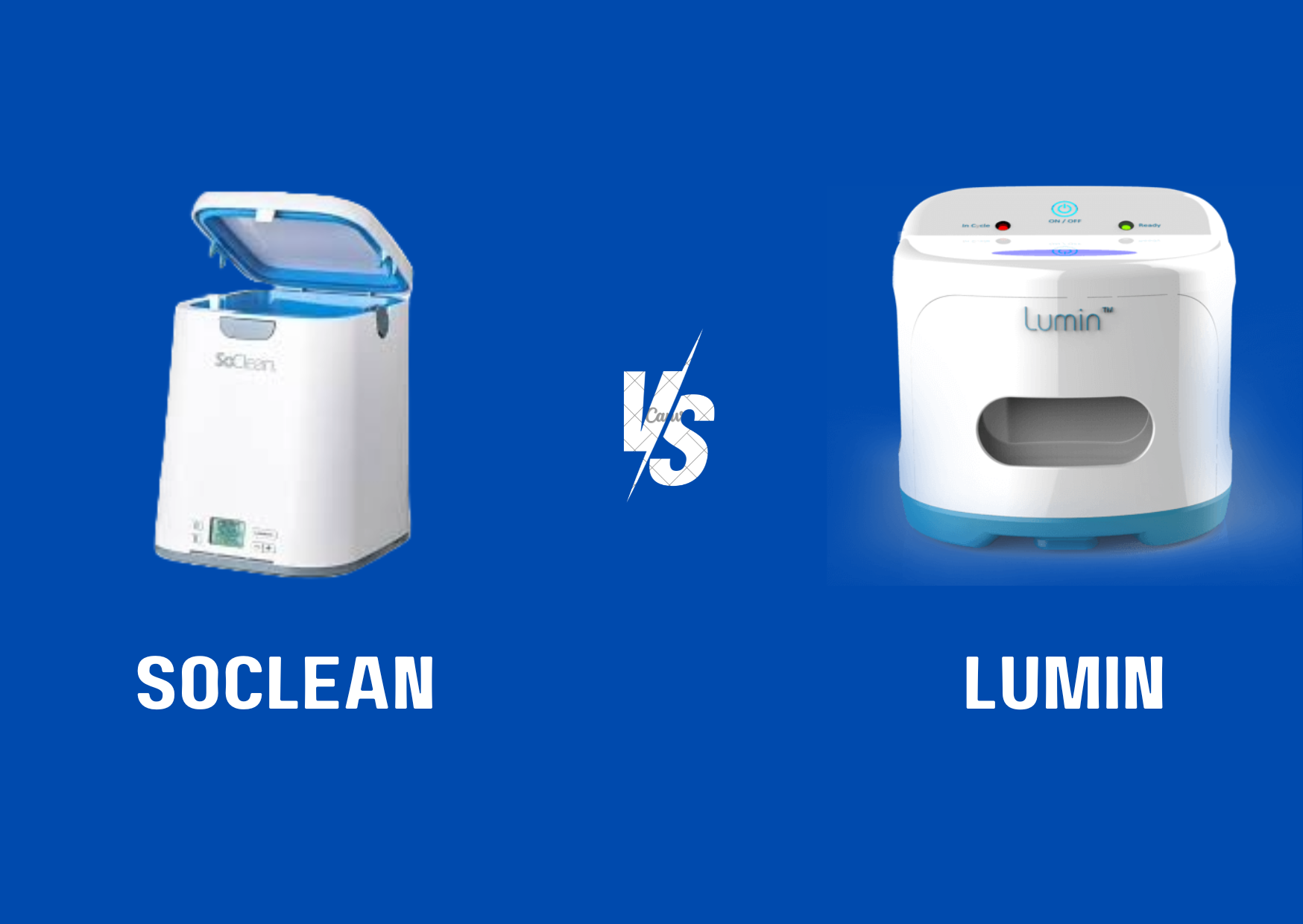
Obstructive sleep apnea is a medical condition that causes interrupted breathing while sleeping. To treat this condition, Continuous Positive Airway Pressure (CPAP) therapy is the right solution. CPAP machines provide a steady air stream to keep airways open. This helps in maintaining constant breathing flow during sleep. However, cleaning your CPAP cleaning kit is important to maintain its effectiveness along with hygiene. The two popular CPAP cleaning machines are the Lumin CPAP machine cleaner and the SoClean sanitizer machine. But which one is right for you? Continue reading this blog to find out which is best as per your requirements.

Importance of CPAP Cleaning

Before understanding the features of these popular CPAP cleaning machines, it’s vital to know the reason to keep them clean. Well, CPAP devices come integrated with a mask, humidifier chamber, and tubing. All these accessories may be the breeding grounds of mold, bacteria, and other pathogens without regular cleaning. So, using a CPAP cleaning machine is important to eliminate harmful contaminants. This further reduces the risk of developing any respiratory infections while enhancing the longevity of the device.

SoClean CPAP Cleaner

SoClean is a popular CPAP cleaning machine that makes use of ozone or activated oxygen for sanitizing CPAP equipment.

Features and Pros of SoClean

Automated Cleaning: The device can clean itself automatically. All you need to do is keep your CPAP mask within the SoClean device and it will do the cleaning itself.

Eradicates 99.9% of Germs: This device claims to get rid of 99.9% of viruses, bacteria, and mold from your CPAP device and accessories.

No Disassembly: Another advantage of the SoClean device is that it doesn’t need any disassembly for cleaning. It saves effort and time.

Cons of SoClean

Here are various cons of SoClean devices:

Compatibility: All CPAP devices are not completely compatible with SoClean without buying any extra adapters.

Ozone Use: It uses the ozone (O3) to sanitize which leaves an odor of residue that certain users find unpleasant. Besides that, ozone is an oxidizing agent that may damage CPAP accessories with time.

Price: It is relatively pricey compared to other CPAP devices.

Lumin CPAP Cleaner

It is another popular CPAP machine cleaner that makes use of a different technology – ultraviolet (UV) light for cleaning your CPAP components.

Features and Pros of Lumin

UV-C Light: Lumin comes integrated with UV-C light that helps in sanitizing CPAP equipment. With this advanced technology, it becomes highly efficient to kill mold, bacteria, and viruses without using harsh chemicals or ozone.

No Residual Odor: Since it doesn’t use ozone for cleaning, Lumin does not leave any bad odor. This makes it highly pleasant to use.

Fast Cleaning Cycle: Another major benefit of using Lumin is the fast-cleaning cycle of this device. The entire cleaning process takes just 5 minutes which is much quicker compared to SoClean’s cleaning cycle.

Compatible with all CPAP masks: Lumin doesn’t need any adapters, as it is compatible with all CPAP masks and accessories. This ensures a smooth and hassle-free cleaning experience for all.

Multipurpose: Lumin is a multipurpose CPAP sanitizer machine, which can be used for sanitizing other devices as well. It can sanitize hearing aids, toothbrushes, keys, and small electronic devices. This makes it a valuable investment.

Cost-Effective: Compared to SoClean, Lumin is more affordable. So, it offers excellent value for its cost.

How Lumin Works

It is an easy to use Lumin CPAP device that comes with a UV-C light bulb. This UV-C light bulb emits high-energy light for eradicating the DNA of microorganisms. You easily open the Lumin drawer, keep your CPAP masks or accessories inside, close it, and push on the start button. Within five minutes, the CPAP masks or accessories are ready to use.

Why is Lumin the Best Choice

Compared to SoClean, Lumin is the best choice for various reasons:

Safe and Effective:

The UV-C light in Lumin is both effective and safe for sanitizing CPAP equipment. Unlike the ozone layer, UV-C light doesn’t produce any harmful odors or residues. This technology is widely utilized in laboratories and hospitals for sterilization. When you choose Lumin, it cleans CPAP accessories without exposing the equipment to harmful chemicals.

Versatility and Value:

Lumin is capable of sanitizing various items beyond CPAP equipment to add to its value. This multipurpose capability ensures you can use this device for cleaning other household items. It makes it a versatile addition to your house.

Quick 5-Minute Cleaning Cycle:

Lumin’s quick five-minute cleaning cycle has a major advantage. It enables users to easily clean the CPAP equipment efficiently and quickly, which is highly beneficial for people with busy schedules. The simplicity of this process, without needing any additional adapters or disassembly, adds to its convenience.

Cost-Effectiveness:

While SoClean and Lumin are investments for you, Lumin is relatively affordable. This makes it a cost-effective option, particularly due to its several benefits, like no use of the ozone layer, and lack of recurring costs of extra adapters or other accessories.

Conclusion

It is crucial to clean and maintain your CPAP device well for effective therapy. While both SoClean and Lumin are popular options among patients, Lumin stands out as a better option. Since Lumin comes integrated with UV-C light, it is a safer, more versatile, and quicker cleaning device without any cons related to ozone. So, if you choose Lumin CPAP machine cleaner, you invest in keeping your equipment hygienic while extending its lifespan and improving the CPAP therapy experience.