May 2026 - Lumin Multipurpose Sanitiser

Why UVC Sanitisation Is Replacing Traditional CPAP Cleaning

Continuous Positive Airway Pressure (CPAP) therapy is essential for people dealing with sleep apnea. But keeping the CPAP equipment clean is just as important as actually using the device. For years, the usual routine has been traditional cleaning methods: soap, water, and then manual drying. However, more people are paying attention to hygiene, convenience, and safety. Therefore, UVC sanitisation is starting to feel like a better choice. This advanced technology is emerging fast as a superior alternative compared to the older approach.

The Limitations of Traditional Cleaning Methods 

Manual cleaning methods take time, steady habits, and a kind of careful precision. Users typically need to take apart the parts, wash them thoroughly, rinse off any leftover residue, and then wait long enough for proper drying. If moisture hangs around, it can lead to buildup, so the timing part really matters. Still, even with good intentions and a consistent routine, there is always a chance that cleaning is less than full, especially in the awkward places like tubing or masks.

Also, repeated contact with water plus cleaning agents can cause some sensitive CPAP components to wear down sooner than expected. Because of that, many people have started looking for smarter, more efficient ways, like a CPAP machine cleaner. This modern device helps in reducing cleaning work while supporting better hygiene results.

Enter UVC Sanitisation: A Smarter Approach 

UVC sanitisation destroys bacteria at the cellular level by using ultraviolet light within a particular wavelength range. Without the use of water or chemicals, this technique gets rid of bacteria, mold, and infections. It is significantly more dependable and consistent than hand cleaning because it does not depend on user technique.

High-energy light from a UV sanitiser damages germs’ DNA and stops them from proliferating. For sanitising CPAP masks and accessories that come into direct contact with the face and airways, this makes it very effective.

Why UVC Is Gaining Popularity

 UVC cleaning solutions are becoming more popular due to a number of strong benefits.

  1. Quickness and Effectiveness

Including drying time, traditional cleaning can take up to 20 to 30 minutes. Conversely, UVC devices are perfect for daily usage because they may finish a sanitisation cycle in as little as five minutes.

  1. Safety Without Chemicals

UVC systems leave no residue, in contrast to certain automated cleaners that use harsh chemicals or ozone. For CPAP users who are susceptible to breathing in chemical residues, this is particularly crucial.

  1. Reliability and Consistency

Errors can occur when cleaning by hand. Uniform exposure is provided by UVC devices, guaranteeing constant sanitisation.

  1. Sustainable Practices

With no chemical runoff, no water waste, and no disposable wipes, UVC technology is an environmentally friendly option for long-term use.

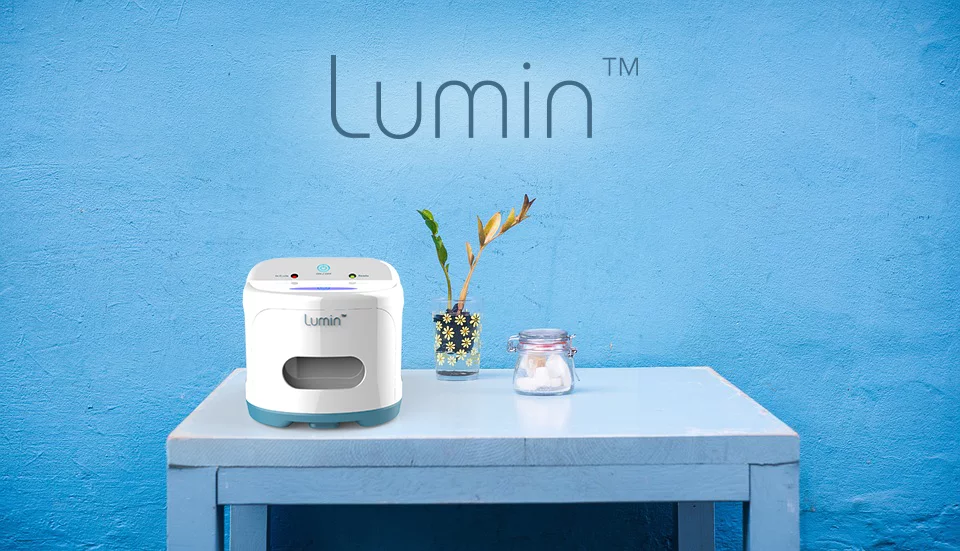
Lumin Multipurpose Sanitiser: A Practical UVC Solution

Designed for ease of use and efficiency, the Lumin Multipurpose Sanitiser is one of the most practical UVC cleaning devices available today. It’s crucial to remember that Lumin is designed only to sanitise CPAP masks, hoses, and accessories rather than the CPAP machine as a whole.

The germicidal UVC lamp used by Lumin emits light in a restricted spectrum, with around 90% of its energy concentrated around 254 nm. This is extremely close to the 265 nm wavelength that is thought to be the deadliest to microorganisms. Due to this, it can eradicate up to 99.9% of germs and bacteria in a single 5-minute cycle.

Key Features That Set It Apart 

  • Quick 5-Minute Sanitisation: Perfect for hectic schedules, this method guarantees that your CPAP accessories are practically immediately usable.
  • One-Touch Operation: Simply insert your belongings and begin the cycle without any complicated setup.
  • Ozone-Free Cleaning: Removes worries about dangerous residues or gases.
  • Safe for Everyday Use: Your equipment will experience less wear and tear if there is no water or chemicals.

These benefits have led to a rise in the utilisation of UVC-based solutions. The CPAP cleaner Australia segment is becoming popular among consumers who value convenience and safety.

A Shift Toward Better Hygiene Standards 

Beyond just personal use, UVC sanitisation is now pretty much widely used in healthcare settings, including ambulances and emergency service vehicles, where infection control is really critical. This wider acceptance tends to strengthen trust in how well it works and that it is safe.

For people using CPAP, it means an elevated level of care at home. When you fold in a dependable CPAP cleaning machine into your daily routine, you lower the chance of respiratory infections, and you also support better therapy results.

Final Thoughts

Transition from conventional cleaning to UVC sanitisation is indicative of a larger trend toward smart, secure, and effective medical procedures. Although manual cleaning is still useful, modern consumers who desire quickness, consistency, and chemical-free treatments no longer find it satisfactory.

Not only are devices like Lumin practical, but they also significantly improve the way we maintain vital medical equipment. They provide tailored sanitisation that is in line with lifestyle and health requirements by concentrating on the elements that are most important.

UVC technology, which provides peace of mind with every breath, is poised to become the new standard in CPAP hygiene over time.
What Happens Inside an Unclean CPAP Machine

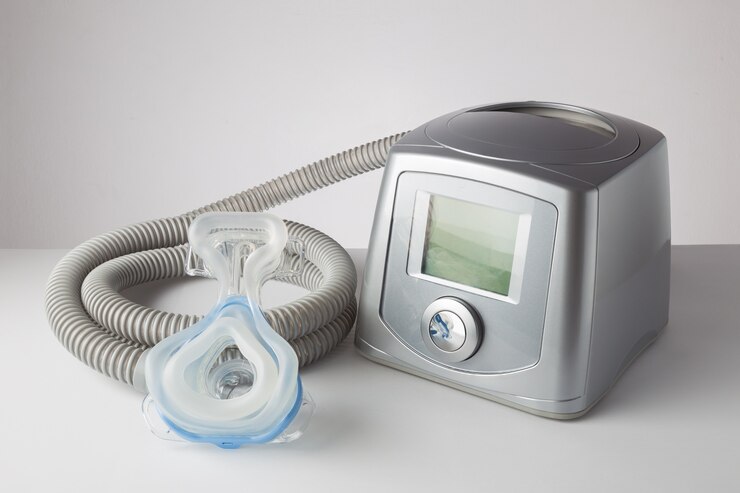
Although the purpose of a CPAP machine is to help you breathe while you sleep, improper cleaning can turn it into a silent haven for pollutants. Over time, moisture, dust, oils, and microbes can build up in what appears to be a straightforward medical device, directly affecting your health. You can take the appropriate actions for safer therapy by being aware of what occurs inside an unclean CPAP system.

A Warm, Moist Environment for Microbial Growth

CPAP machines provide humidified airflow to keep the airways comfortable. It’s pretty helpful for breathing, but that warm, damp environment is also favourable for bacterial, mould, and fungi growth. Any residual water sitting in the humidifier chamber, plus the heat from the unit, can speed up microbial growth. It often happens when water isn’t swapped out every day, or when the chamber is not dried properly.

Eventually, those microorganisms start forming biofilms, which are those thin layers that cling to the inner surfaces. After they’re established, it gets hard to eliminate them without steady, effective cleaning routines.

Accumulation of Dust, Skin Cells, and Oils

Every night, your CPAP mask touches your skin. Natural facial oils, sweat, and dead skin cells go over onto the mask and the tubing. At the same time, airborne dust and other particles get pulled into the whole system.

If you don’t keep up with regular upkeep, that buildup turns into a tacky residue. This not only can host bacteria, but also might wear down the material on your mask and tubing. It even causes unpleasant smells, or brings on skin irritation that further messes up with both comfort and overall cleanliness.

Hidden Contaminants in Tubing and Masks

The internal surfaces of CPAP tubing are quite vulnerable. They are dark, enclosed, and sometimes a little damp. This creates a perfect environment for mould growth. Plus, because those zones aren’t always easy to see, contamination can sit there unnoticed for long periods.

That’s basically where a CPAP Sanitiser comes in handy. Compared with washing by hand, which may skip those hard-to-reach crevices, the sanitisation method targets microorganisms more evenly across the whole surface area. This reduces the microbial load significantly.

Increased Risk of Respiratory Issues

Inhaling through an unclean CPAP machine means breathing in whatever has accumulated inside. For example, bacteria, mould spores, and allergens can enter your respiratory system. For individuals with a sensitive respiratory system, this can result in:

  • Frequent coughing and/or irritation in the throat
  • Sinusitus
  • Allergic reactions
  • An exacerbation of asthma

In extreme circumstances, prolonged exposure to contaminated air could increase the chances of developing a respiratory infection. A CPAP machine should provide therapy; however, failure to maintain proper hygiene could result in compromising your health.

Impact on Device Performance

Beyond health concerns, residue and dirt inside the machine can mess with its overall efficiency. Blocked filters, clogged tubing, or residue buildup may reduce the airflow quality and pressure consistency. That can mean your therapy is less effective, and it might even shorten the lifespan of the device.

A reliable CPAP cleaning machine can help keep both hygiene and performance in good order with proper and consistent cleaning, without depending only on manual effort.

The Role of UVC Sanitisation

Modern cleaning solutions have started using UVC technology for efficiently sanitising CPAP components. A UV sanitiser basically works by firing off high-energy ultraviolet light which interferes with the DNA of microorganisms, preventing reproduction.

Devices, like the Lumin multipurpose sanitiser, use UVC light to sanitise CPAP masks, hoses, and those small accessories in just 5 minutes. It operates at a wavelength range near 265nm, that’s considered the most effective for killing microorganisms. Hence, it can eliminate up to 99.9% of bacteria and mould from exposed surfaces.

Importantly, Lumin is ozone-free, and it doesn’t depend on water or harsh chemicals. This makes it a safer and more eco-friendly choice. Still, it’s important to remember that it’s meant for cleaning accessories like masks and tubing, not the internal parts of the CPAP machine itself.

Why Regular Cleaning Matters

Keeping things clean all the time is not only about hygiene, but it’s also about making sure your therapy works accurately. Traditional washing is still a big part of it, but when you pair that with modern sanitisation tools, the whole process becomes thorough and complete.

If you are looking into options like a CPAP cleaner Australia, learning how the different technologies perform can make it easier to choose well. The point isn’t only convenience, it’s safety too, and the long-term health upsides that come with it.

Conclusion:

An unclean CPAP machine doesn’t merely gather dust; it turns into an actual little ecosystem for troublesome microorganisms. These cause health risks that are preventable.

Adding a trustworthy CPAP machine cleaner to your routine, along with traditional hand-cleaning technique can greatly lower the chance of exposure. If you keep the device in good condition, it stays what it’s supposed to be: a dependable companion for deeper sleep and overall better health.