March 2026 - Lumin Multipurpose Sanitiser

Best CPAP Cleaner for Home Use in 2026

Properly cleaning your CPAP device is essential for attaining positive health outcomes from your CPAP therapy. Contaminated equipment could affect how effective its performance is. In 2026, there’s a rising demand for safe, efficient, and convenient methods to safely clean your machine for optimal functioning. Therefore, selecting the right CPAP machine cleaner is essential. But when making a choice, it’s not just about convenience; it’s also related to maintaining long-term therapy success. 

Why CPAP Cleaning Matters More Than Ever

Regular use of CPAP machines causes the accumulation of moisture, body oils, and airborne particles over time. Masks, tubing, and humidifier chambers tend to be particularly susceptible to bacterial and fungal growth due to moisture buildup. While they can be cleaned with soap and water, traditional cleaning methods can be very time-consuming and often yield inconsistent results. Therefore, many CPAP users are now turning to advanced solutions, like an advanced CPAP cleaning machine. Such modern devices provide a more efficient and reliable way to clean their equipment and keep it hygienic.

Consistent cleaning of your equipment not only helps prolong its life. But it also helps reduce the chances of getting respiratory infections and allergies, as well as preventing bad odours. In short, good hygiene will provide a better outcome with respect to your sleep therapy.

Types of CPAP Cleaners Available in 2026

There are many different types of cleaning technologies available today, with each offering certain benefits: 

1. Manual Cleaning

Manual cleaning is still widely recommended by manufacturers. This requires removing parts and washing them with mild soap. Although it is effective, it does require time and discipline to execute properly. 

2. Ozone-Based Cleaners

These cleaners utilise activated oxygen to disinfect items being cleaned. They provide convenience but have unresolved issues surrounding their residual gases and ventilation requirements. 

3. UV Light-Based Cleaners

These systems are gaining popularity as a modern method of cleaning. UV light cleaning devices are used to disinfect items through targeted wavelengths of light to eliminate microorganisms. The most significant aspect of a UV sanitiser is that it uses no chemicals and produces a quick turnaround time. 

Among these, UV cleaning devices are now becoming the preferred method for a clean, safe environment in homes due to their speed and ease of use.

Lumin: A Smarter Approach to CPAP Hygiene

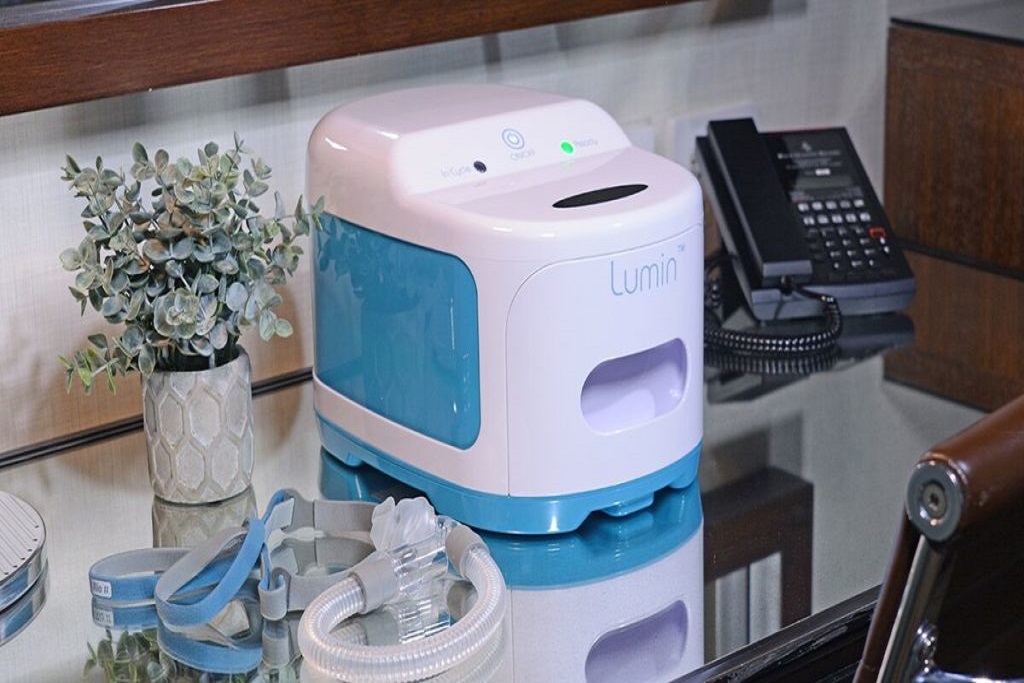
When it comes to the best CPAP Sanitiser for home use in 2026, one of the trusted names is the Lumin Multipurpose sanitiser.  It is because this device features innovative technology and careful product development. 

Lumin uses specialised high-powered UVC light, which operates at a 254nm wavelength to achieve 99.9% effective bacteria, virus, mould, and fungi elimination, instead of using chemical or ozone methods. It uses the same standard sanitisation technique that’s found in hospital operating rooms and  sterile environments. 

The easy-to-use design of Lumin makes it an appealing device. Users can quickly clean their CPAP accessories through a one-touch sanitisation process that requires only five minutes. It can easily clean CPAP masks, hoses, and humidifier chambers thoroughly, including hidden creases and folds.  

Beyond CPAP: Multipurpose Benefits

One of Lumin’s biggest advantages is its versatility. It’s not limited to CPAP components alone. The device can also sanitise everyday personal and healthcare items, making it a valuable addition to any home.

The versatile nature of Lumin enables it to function in multiple ways. Besides sanitising CPAP accessories, the device can clean everyday personal items and healthcare items. This makes it a valuable essential for every home. 

You can use it for sanitising:

  • Children’s or pets’ toys
  • Keys and mobile phones
  • Retainers and hearing aids
  • Other small personal items, like wallets, credit cards, etc. 

This multipurpose device is valuable for households focused on maintaining high cleanliness and hygiene standards. 

Convenience Meets Safety

Unlike ozone-based systems, the Lumin does not produce harmful gases or residuals (leftover pollutants). The ambient UV light works in a sealed atmosphere to protect users while providing effective sanitising.

Users looking for a non-ozone-based CPAP cleaner in Australia prefer the Lumin because it meets safety requirements and is readily available. In addition, the financial advantage over time (with no need to replace the cleaning chemicals that go into the machine) makes it the smart choice.

Final Thoughts

Finding the most effective, safest, and most convenient CPAP cleaner in 2026 means balancing effectiveness, safety, and convenience. While traditional cleaning methods will continue to be used by some users, new methods of sanitising CPAP equipment are changing how users think about maintaining hygiene for their CPAP equipment and overall health. 

The Lumin CPAP Cleaner is an excellent, easy-to-use alternative to traditional methods. This product offers a modernised approach to cleaning CPAP equipment by providing fast and chemical-free sanitisation. In addition, the Lumin CPAP Cleaner can also be used to sanitise daily items. 

If you want a simple way to clean your CPAP equipment without sacrificing cleanliness or hygiene, consider purchasing the Lumin CPAP Cleaner as a practical solution for you. After all, cleaning a CPAP machine is not only about hygiene; it is also about better sleep, improved health, and peace of mind every night.
How CPAP Sanitizing Machines Work (UV vs Ozone vs Manual Cleaning)

The effectiveness of Continuous Positive Airway Pressure (CPAP) therapy relies greatly on the cleanliness and safety for its proper functioning. Since all parts of a CPAP machine come into direct contact with the airflow that’s going to go into your lungs, proper hygiene is necessary to ensure a safe and effective therapy. This includes regular cleaning of the CPAP mask, CPAP tubing, humidifier, and water chamber. With so many CPAP product cleaning options available to you today (such as UVC devices, ozone-based systems, or traditional manual cleaning), it’s confusing to find the right CPAP cleaning machine. Understanding how each device works can help you make a better choice for you.

Why CPAP Cleaning Matters

CPAP equipment needs to be used every day. Due to daily usage, moisture builds up and leads to bacterial, mould, and pathogen growth. Therefore, the device needs proper cleaning because its unclean state will reduce both its operational capabilities and your respiratory health. Many users search for effective products, such as a CPAP machine cleaner, to help them keep their devices clean while maintaining proper hygiene standards.

UV Sanitisation: Fast, Chemical-Free Cleaning

UV-based devices, especially those that use UVC light, have become more popular because of their speed and safety features. A UV sanitiser emits UV light of roughly 254 nanometres in wavelength and disrupts the DNA structure of microorganisms, effectively neutralising bacteria, fungi, and viruses.

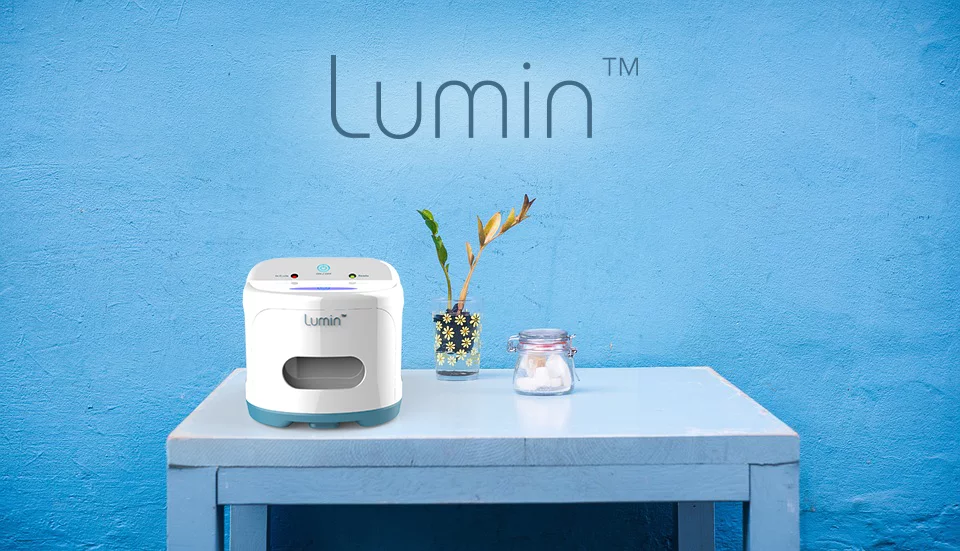
Devices, like Lumin Multipurpose Sanitiser, use UVC technology that meets hospital standards to disinfect surfaces. Lumin has been created to disinfect CPAP accessories, including masks, humidifier chambers, and hoses. The user needs to put these accessories into the tray and close it. After that, let it complete the sanitisation processes that take about 5 minutes.

Key advantages of UV systems are that it:

  • Uses no harmful gases or chemicals
  • Remains safe for everyday use
  • Offers a quick 5-minute sanitisation cycle
  • Effectively clean hard-to-reach areas, like the creases of masks

Users who want safe solutions that offer convenience, UV sanitisation is an optimal solution for them.

Ozone Cleaning: Deep Reach but with Caution

Ozone CPAP cleaners utilise activated oxygen (O₃) as the cleaning agent for disinfecting your equipment. Ozone is used as an oxidizer, which works by circulating gas through a tube and mask to kill any microorganisms, by oxidising their cellular structure. Ozone is considered an effective CPAP machine cleaner due to its ability to reach internal pathways.

However, before using ozone to clean your CPAP, it’s important to consider the following factors related to ozone cleaning:

  •         Post cleaning, proper ventilation is required.  
  •         The residual smell of ozone may linger on your equipment.
  •         Some manufacturers warn against using ozone because of the potential for damage due to the compatibility of materials.
  •         Ozone should not be recommended for everyday use.

While ozone may be effective at cleaning your CPAP, it’s not always going to be the right choice for you if you are sensitive to strong odours or prefer an easier cleaning routine.

Manual Cleaning: The Traditional Approach

Before implementing the automated solutions for CPAP cleaning and sanitising purposes, manufacturers still recommended manual sanitisation. This process involves washing all components of a CPAP system with mild soap and warm water. After washing, the parts are left to air dry completely.

Typical steps to perform manual cleaning include:

  •         Mask and tubing should be rinsed daily
  •         All accessories should be deep cleaned each week
  •         Accessories should be regularly inspected for damaged parts

Manual CPAP cleaning does require time to perform. Plus, it requires consistency from the user, which may be difficult for a user with a busy schedule. Therefore, many CPAP users utilise both types of cleaning systems, i.e., manual and automated, to achieve maximum hygiene.

Comparing the Methods

The method of cleaning may vary depending on your lifestyle and preferences:

  •         UV Sanitising : It’s the best option for quick, safe, chemical-free cleaning of your accessories.
  •         Ozone Cleaning: Provides deep sanitisation but must be handled with care.
  •         Manual Cleaning: A must-have as a base level, but can be far more of a labour-intensive process.

For those exploring options, like CPAP cleaner Australia, there has been a shift towards preferring UV-based devices due to their balance between speed, safety, and ease of use.

Conclusion: A Smarter Approach to CPAP Hygiene

The most effective CPAP hygiene routine is the combination of multiple techniques. Manual cleaning ensures physical removal of dirt and residue, while UV sanitisation adds the ability to kill all tiny pathogens that exist in the environment.

The process becomes much easier through the use of Lumin Multipurpose Sanitiser solutions. Users can easily sanitise their CPAP accessories, using its one-touch system that completes the process in 5 minutes, even before bedtime. The system provides a simple experience, which does not require water, chemicals, or ozone, because it operates without these elements.

Final Thoughts

To keep your CPAP equipment working properly and ensure you stay healthy, you must engage in regular cleaning. Regardless of whether you choose to clean the equipment manually or with a CPAP cleaner machine, or by using an advanced UV sanitiser, like Lumin, hygiene maintenance is the major goal.  

Advances in technological development have led to companies developing various types of UVC sanitising systems. Thus, CPAP users today have the easiest way to maintain their device properly. By understanding the functioning of each method, you can easily choose the right cleaning routine that effortlessly fits into your daily life.