
When most people think about cleaning their home, they picture wiping down kitchen benches, mopping floors, or scrubbing the bathroom. But some of the germiest items in your house aren’t surfaces at all — they’re the small, everyday objects you touch dozens of times a day without ever thinking to sanitise them.
Studies have repeatedly shown that items like phones, keys, and remote controls can carry more bacteria than a toilet seat. And if you or a family member uses a CPAP machine, this becomes even more important — bacteria doesn’t stay isolated to one object. It spreads from hands to phones, from phones to masks, and back again. Below, we’ve broken down seven everyday household items that are commonly overlooked, and simple ways to keep them properly sanitised.
1. Mobile Phones
Your phone goes everywhere with you — the kitchen, the bathroom, the gym, public transport — and it rarely gets cleaned properly. Because it’s constantly in contact with your hands and face, it’s one of the biggest germ carriers in daily life, transferring bacteria every time you make a call or scroll before bed.
Wiping your phone with a cloth removes surface dust, but it doesn’t kill the bacteria embedded in the seams, buttons, and camera edges. This is where UV-C sanitising has a real advantage over wiping alone — hospital-grade UV-C light can reach into these small gaps and neutralise bacteria without any liquid near your device’s ports or speakers.
2. Keys and Wallets
House keys, car keys, and wallets are handled constantly, often right after touching public surfaces like door handles, shopping trolleys, or ATMs. They rarely get cleaned because they’re not visibly dirty, but that’s exactly what makes them a hidden hotspot — bacteria doesn’t need to be visible to be harmful.
3. TV Remotes and Game Controllers
Shared by everyone in the household and touched constantly with unwashed hands, remotes and controllers are notorious for harbouring bacteria in the gaps between buttons. They’re also rarely, if ever, included in a regular cleaning routine, which allows germs to build up over weeks or months.
4. Headphones and Earbuds
Anything that sits in or on your ears traps warmth and moisture — ideal conditions for bacteria to multiply. Shared earbuds or headphones, in particular, can transfer bacteria between users, yet most people never think to sanitise them at all.
5. Children’s Toys, Pacifiers, and Teething Rings
Kids’ items are especially high-risk, since they frequently end up in a child’s mouth, on the floor, and back in their mouth again. Soft toys and pacifiers are difficult to clean thoroughly with a simple wipe, especially in the small crevices where bacteria tends to accumulate. For parents, this is one of the most important hotspots to stay on top of, particularly during cold and flu season.
6. Retainers, Mouthguards, and Hearing Aids
Personal healthcare items like retainers, mandibular splints, and hearing aids sit directly against skin or inside the mouth for extended periods, making hygiene critical. These items often can’t be soaked in water or cleaned with standard disinfectants without risking damage, which means many people simply don’t clean them as often as they should.
7. CPAP Masks, Tubing, and Humidifier Chambers
If you or someone in your household uses a CPAP machine, this is arguably the most important hotspot on this list. Your CPAP mask sits directly over your nose and mouth every night, and the tubing and humidifier chamber provide a warm, moist environment where bacteria, mould, and fungus can thrive if not cleaned properly.
Manufacturers recommend daily, weekly, and monthly cleaning routines for different CPAP equipment components, but manual washing with soap and water has real limitations — it doesn’t sterilise, drying takes hours, and cleaning quality varies depending on how thoroughly it’s done each time. A persistent runny nose, unexplained congestion, or getting sick more often than usual can all be signs that your CPAP equipment needs more attention than it’s getting.
Why Wiping Isn’t Enough
Across all seven of these items, there’s a common theme: surface wiping removes visible dust and grime, but it doesn’t necessarily kill the bacteria, viruses, or mould living on and inside these objects. Many of these items also can’t simply be soaked in water or scrubbed with soap — think phones, hearing aids, retainers, or your CPAP mask’s cushion — which leaves a real gap in most households’ everyday hygiene routine.
This is where UV-C sanitising offers a genuinely different approach. Rather than relying on physical scrubbing or chemical disinfectants, UV-C light at a wavelength of 254 nanometres works by disrupting the DNA of bacteria, viruses, mould, and fungus, neutralising them without water, soap, or gases. It’s the same technology used in hospital operating rooms and sterile clean rooms, made available for everyday household use.
A Single Solution for Every Hotspot in This List
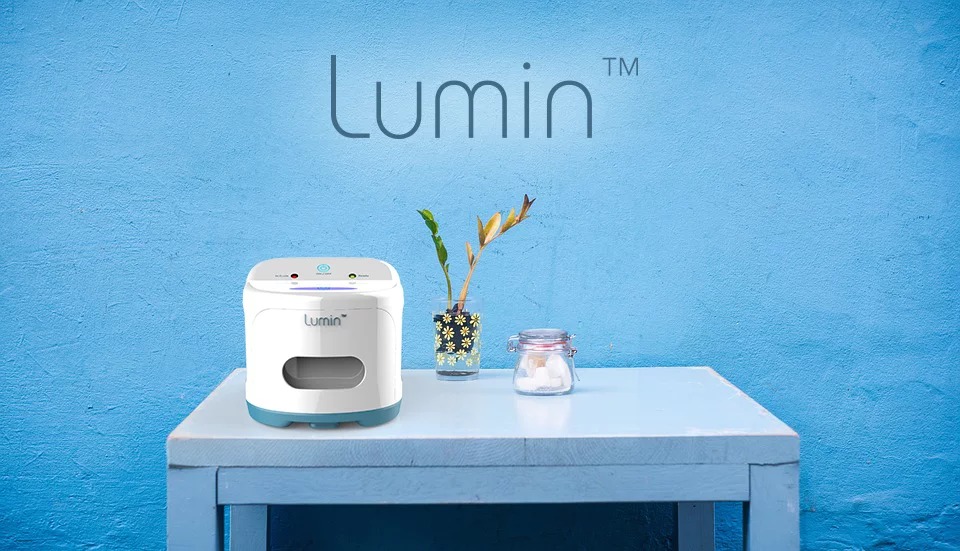
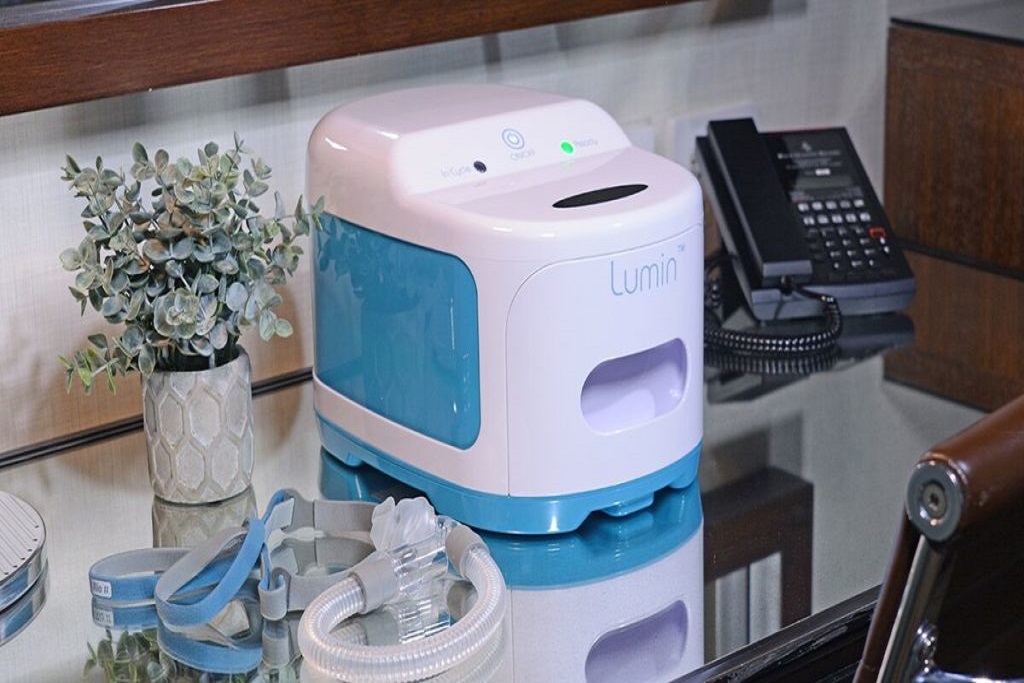
One of the most practical benefits of a device like the Lumin Multipurpose Sanitiser is that it isn’t limited to just one type of item. The same one-touch, 5-minute UV-C cycle that sanitises your CPAP mask, tubing, and humidifier chamber can also be used on:
- Mobile phones, keys, and wallets
- TV remotes and game controllers
- Headphones and earbuds
- Children’s toys, pacifiers, and teething rings
- Retainers, mouthguards, and hearing aids
Rather than juggling different wipes, sprays, and cleaning methods for each item, everything simply goes into the sanitising tray, and a single cycle handles the rest — without chemical residue, without long drying times, and without the guesswork of whether you’ve cleaned thoroughly enough.
This is particularly valuable for households already managing CPAP therapy, where consistent hygiene isn’t just about convenience but directly affects respiratory health. Being able to sanitise your CPAP equipment and your family’s everyday items using the same UV-C sanitising machine means better hygiene habits are far easier to maintain long-term.
Building a Better Household Hygiene Habit
None of these seven items need hours of extra cleaning each week — the goal isn’t to add more chores, but to close the gaps that ordinary wiping and washing leave behind. A simple routine might look like:
- Identify the items in your home that get touched constantly but rarely cleaned
- Set aside a consistent time — many people do this before bed, alongside their CPAP sanitising routine
- Use a UV-C sanitiser to handle everything at once, from personal healthcare items to everyday essentials
Final Thoughts
The germiest items in your home often aren’t the ones you’d expect. Phones, keys, remotes, headphones, kids’ toys, personal healthcare aids, and CPAP equipment are all touched or worn daily, yet frequently missed in standard cleaning routines. Because many of these items can’t be washed conventionally, UV-C sanitising offers a practical, chemical-free way to close that gap — one 5-minute cycle at a time.
If your household already relies on a CPAP machine, explore how the Lumin Multipurpose Sanitiser can extend hospital-grade hygiene from your bedside CPAP routine to everyday items across the whole family.