
Hearing Aids are tiny precision devices that need ongoing care to function effectively. Similar to how people rely on a CPAP sanitiser to improve their respiratory health, hearing aids also require better sanitisation to ensure longevity and hygiene. Wiping the surface of your hearing aid each day will remove exterior dirt and dust. However, you need to remove dirt, germs, and moisture from within the device.
But improper cleaning of your hearing aids can lead to damage to sensitive components and poorer performance. Knowing how to clean your hearing aids properly will provide you with good hygiene. It also enables you to maximise the life of your hearing aids.
Why Proper Sanitisation Matters
Hearing aids remain in and around the ear for long periods. This increases the potential for exposure to earwax, environmental pollutants, and sweat. Not cleansing them on a regular basis can cause bacteria to grow, bad odours, and could cause ear infections. Routine cleaning and sanitising are different, as cleaning refers to removing visible dirt and grime from surfaces. On the other hand, sanitisation is focused on removing microorganisms without harming any of the electronics in a hearing aid.
Many users think that using either harsh chemicals or too much moisture will clean hearing aids properly. But the use of these products will cause internal circuits to corrode. A balanced combination of cleaning and sanitisation is the ideal approach.
Step-by-Step Guide to Safe Sanitisation
- Start with Gentle Cleaning
Before sanitising, first clean off all visible dirt with a dry soft cloth or specialised brush. For in-ear hearing aids, carefully clean the vents and receiver with a soft cloth. Do not directly apply water to the hearing aid.
- Use Approved Cleaning Solutions
If you need to sanitise, use a cleaner that is approved for hearing aids. You should never use alcohol-based cleaners or abrasive cleaners because these could damage the protective coatings on the hearing aids.
- Dry the Hearing Aid Well
Moisture is one of the biggest enemies of hearing aids. Once you have cleaned your hearing aid, make sure it is completely dry before you start sanitising it.
- Choose a Safe Sanitisation Method
A modern way of sanitising your hearing aids is by using a UV sanitiser. This type of device uses light instead of chemicals to sanitise your hearing aids. It can be very effective at providing a sterile surface to your hearing aids while also causing minimal damage to them.
The Role of UV Technology in Hearing Aid Care
UV technology has been gaining attention in the healthcare sector for keeping equipment free from contamination. Due to UV light’s non-contact cleaning method (unlike liquid cleaners), it does not add moisture or leave behind any extra residues. Therefore, it is a perfect cleaning method for electronic devices like hearing aids.
While UV light has been used to clean sleep therapy equipment, such as CPAP cleaning machine accessories, the same disinfecting process has been extended to other types of personal healthcare items as well. The basic principle behind these various types of products is that they utilise controlled application of UV light to kill microorganisms, without compromising the device’s actual functionality.
Introducing Lumin Multipurpose Sanitiser
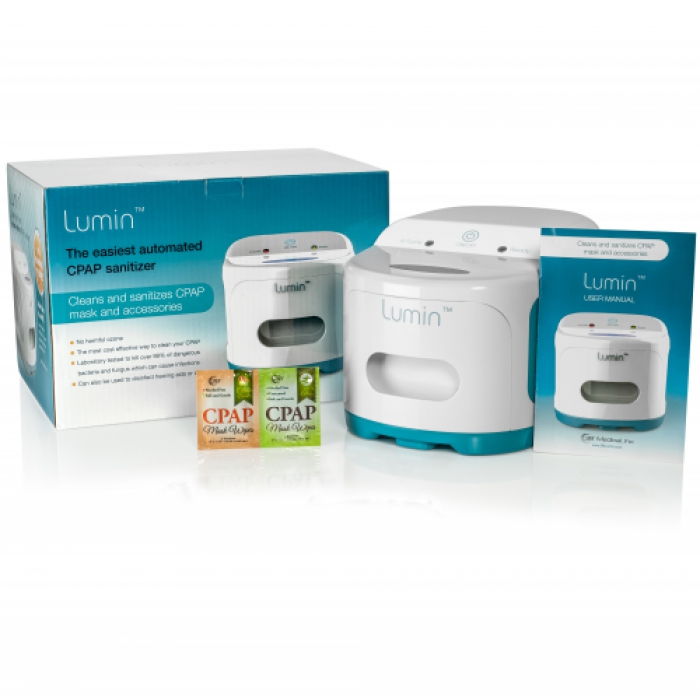
For anyone who’s looking for a cost-effective and effective solution, the Lumin Multipurpose Sanitiser is a great choice. It offers a simple yet practical way to constantly clean and sanitise your personal healthcare products, like hearing aids.
Sanitise Medical & Healthcare Aids
With the Lumin Multipurpose Sanitiser, cleaning and sanitising your personal health care equipment regularly is straightforward and efficient.
Cleaning and sanitising both your personal and home medical/health care equipment should be an integral part of your daily routine, yet we often forget to do so. That’s why the Lumin Sanitiser is such a great addition to your home.
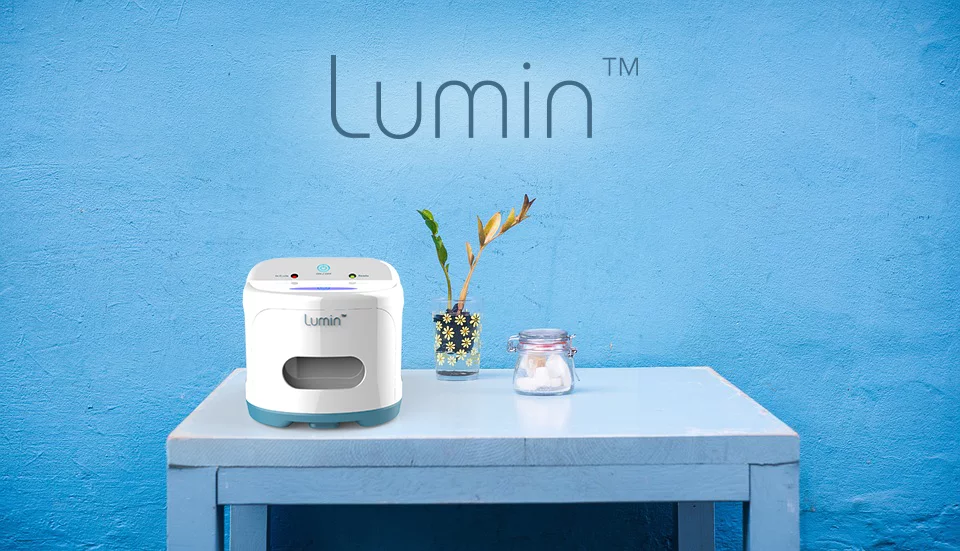
- It can be conveniently located anywhere within your home for easy access.
- Each cycle is just 5 minutes long.
- Displays output at 254 nm and uses exact wavelength intensities to achieve maximum sanitising.
- Disinfects 99.9% of viruses, germs, and bacteria through independent testing.
You can sanitise medical and healthcare devices like retainers, mandibular splints, FFP3 Masks, hearing aids, etc., with the Lumin Multipurpose Sanitiser.
The sanitiser’s fast cycle and non-chemical sanitisation process also make it suitable for delicate products, guaranteeing proper sanitisation without any risk.
Maintenance Tips for Long-Term Care
For optimal performance and hearing aid maintenance through both sanitisation and proper transportation (with case) of your hearing aids (drying box overnight recommended), it is also important to have a hearing aid professionally serviced regularly.
There has been an increase in awareness regarding hygiene in medical devices. In fact, many consumers are looking at ways to have their medical equipment cleaned daily or utilising products, such as a CPAP machine cleaner, which aid in this process. In addition, increased awareness is prevalent in the CPAP cleaner Australia marketplace as well. Many consumers are preferring it for more effective and safer cleaning methods.
Final Thoughts
Properly cleaning your hearing aids is not difficult or complex. Using a combination of gentle cleaning and non-invasive advanced sanitisation techniques can provide maximum hygiene and longevity. Products such as the Lumin Multipurpose Sanitiser will help you achieve these goals with speed, efficiency, and safety every day.
Taking just a few minutes each day to establish an appropriate care routine can protect your hearing aid. Plus, it helps you create a healthier, more comfortable hearing experience.